


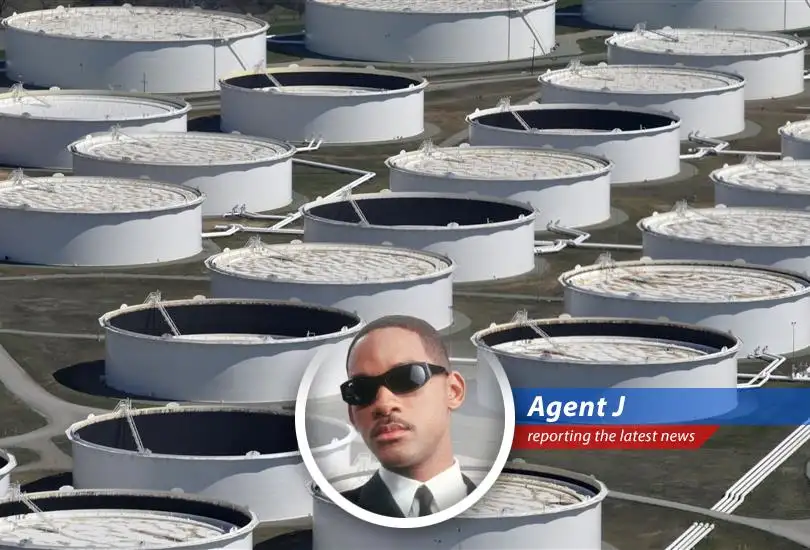
- IEA warns of the largest supply disruption in oil market history due to Middle East conflict.
- Coordinated efforts to reduce oil demand seen as fastest relief for consumers.
- Measures include remote work, public transit, and reduced air travel.
- Countries consider fiscal measures like VAT cuts and windfall taxes to ease consumer burden.
The Mother of All Oil Shocks
Alright, people, Agent J here, reporting from the front lines of… well, not exactly a war zone, but the global energy market, which is pretty much the same thing these days. The International Energy Agency (IEA) just dropped a truth bomb, and it's bigger than Frank the Pug's appetite for kibble. They're saying we're facing "the largest supply disruption in the history of the global oil market." Translation We're in trouble. Big, intergalactic-level trouble. It seems this escalating conflict in the Middle East isn't just a local dust-up; it's messing with the entire planet's fuel supply. And when the fuel supply gets messed with, everything else goes sideways faster than you can say "neuralyzer."
Demand Down Beats Supply Up
So, what's the solution According to the IEA, we can't just wait around for the oil wells to start gushing again. That's like waiting for Zed to retire instead, they recommend lowering demand. And I gotta say, it makes sense. If you can't find something, stop wanting it. Easier said than done when we're talking about the lifeblood of modern civilization, but hear me out. The IEA is suggesting some pretty simple stuff: minimizing road and air travel, working from home when possible, and switching to electric cooking. Basically, living like it's 1950, but with Wi-Fi. And maybe start reading Japan Rejects US Intel Report Taiwan Stance Remains Consistent to be informed and up to date with the geopolitical landscape and not just the oil market.
The Strait Situation
Now, the real kicker here is the Strait of Hormuz. This little waterway off Iran's coast is like the world's oil artery, carrying about a fifth of the global oil consumption. Right now, it's effectively closed, which is like someone putting a massive clog in that artery. No bueno. Countries are tapping into their strategic petroleum reserves, but that's just a temporary fix. It's like using a band-aid on a gunshot wound. We need a real solution, and fast.
Roads Less Traveled… and Less Fuel Consumed
The IEA is really hammering home the idea of reducing road transport. Apparently, that accounts for about 45% of global oil demand. So, they're suggesting things like carpooling, public transit, and even alternating private vehicle access in cities. It's like they want us to live in a futuristic utopia where everyone rides around on scooters and eats lab-grown burgers. Which, honestly, doesn't sound that bad. But seriously, folks, if we want to ease the pressure on our wallets and the planet, we need to start thinking about how we get around.
Taxing Times, Fueling Futures
Governments are also scrambling to find ways to ease the pain at the pump. Spain is planning to cut the value-added-tax (VAT) on fuel, and Italy has already cut excise duties. Germany is even considering a windfall tax on oil companies, which is basically like saying, "Hey, you're making too much money off our misery. Share the wealth." It's a bold move, but these are desperate times. As Zed always said, "Desperate times call for desperate measures."
The Bottom Line
The price of oil is up, the world is on edge, and the IEA is telling us to change our ways. It's a mess, but it's a mess we can handle. We just need to be smart, be resourceful, and maybe invest in a good electric scooter. Because as any MIB agent knows, the future is already here. It's just not evenly distributed. And right now, neither is the oil.
oil prices energy crisis supply disruption demand reduction IEA remote work public transit fiscal measures VAT cuts windfall tax
Comments
From Agent J





Breaking News






All Rights Reserved © 2023
Cocagirl
Public transit needs to be improved and made more accessible in many areas.