


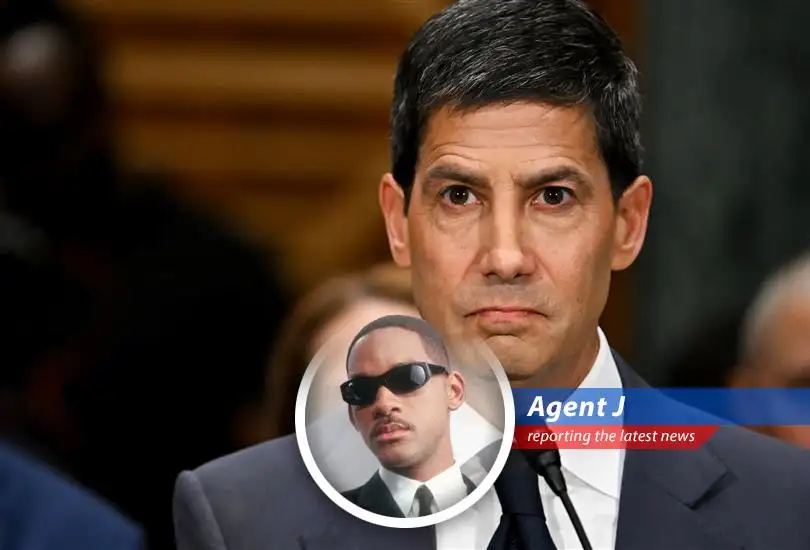
- Kevin Warsh's views on Fed independence spark debate among former officials.
- Warsh's proposed "Fed/Treasury accord" raises questions about balance sheet control.
- Swap lines and their impact on the Fed's balance sheet are under scrutiny.
- Potential limits on the Fed's ability to act in a crisis is a concern.
The Mystery of Monetary Policy
Alright, let's break this down. Most civilians wouldn't know a currency swap line if it bit 'em, but trust me, it's kinda important. This whole shebang centers around Kevin Warsh, the potential new head honcho at the Federal Reserve. Apparently, he's got some *unique* ideas about how the Fed should operate, especially when it comes to staying independent. It's like saying you want to drive a car but letting the passenger control the steering wheel sometimes. Confusing, right
Warsh's World A New Fed Order
Warsh keeps saying the Fed should be "strictly independent" when setting interest rates. Cool, I get that. But then he throws in a curveball saying he's cool with working with Congress and the White House on "non-monetary matters". He even mentioned a "Fed/Treasury accord" to manage the Fed's balance sheet. Now, that's where things get murky. According to some ex-Fed bigwigs, this whole thing is either unclear or downright worrying. It's like those alien disguises that almost work but you can still see the antennae. For more intrigue, check out this story on Netflix CEO Navigates White House Intrigue Amidst Warner Bros. Discovery Bidding War where the corridors of power get shaken up.
Swap Lines The Gray Area
So, what's considered monetary policy and what isn't. Well, that's where things get as clear as mud. Swap lines, for instance, fall into this gray area. During a crisis, the Fed hands out dollars to other countries' central banks in exchange for their currency. The idea is to keep the dollar market stable, preventing a global panic. But is that monetary policy or not. Warsh seems to think it's up for debate.
Balance Sheet Shenanigans
Now, here's where things get potentially dicey. Some folks are worried that Warsh's ideas could lead to the Fed's balance sheet becoming a glorified foreign aid fund. Imagine the Fed handing out cash to countries, not because of a financial crisis, but because of political reasons. That's like using the Neuralyzer to solve personal problems it's a misuse of power and leads to chaos.
The Ghost of Resignations Past
Warsh actually quit the Fed back in 2011 because he didn't like how the balance sheet was handled after the Great Recession. And he ain't alone. Others have called the Fed's balance sheet a dangerous experiment, giving it too much power. The big question is, how much control should the Treasury have over the Fed's actions. It's like having two captains steering the same ship you're bound to crash eventually.
Playing Politics or Saving the World
In the end, Warsh might just want to make sure the Fed stays truly independent by shedding some of its other responsibilities. He believes presidents always want lower interest rates, and it's up to the Fed to stand its ground. But we got a whole committee that will keep a check on any quick shifts in policy and keep Warsh and his ideas in check. It's a delicate balance, but hey, that's my job, too.
Federal Reserve Kevin Warsh monetary policy Fed independence Treasury swap lines balance sheet financial crisis interest rates economics
Comments
- No comments yet. Become a member to post your comments.
From Agent J




Breaking News






All Rights Reserved © 2023