


- Geopolitical tensions in the Middle East could disrupt the supply of essential chipmaking materials like helium and bromine.
- The conflict raises concerns about the future of AI infrastructure projects and data center buildouts in the Middle East.
- Tech companies are considering alternative locations like Northern Europe, India, and Southeast Asia for future AI investments.
- Fintech and AI sectors continue to see significant developments with new licenses, chip designs, and funding rounds.
Another Fine Mess: Conflict and Chips
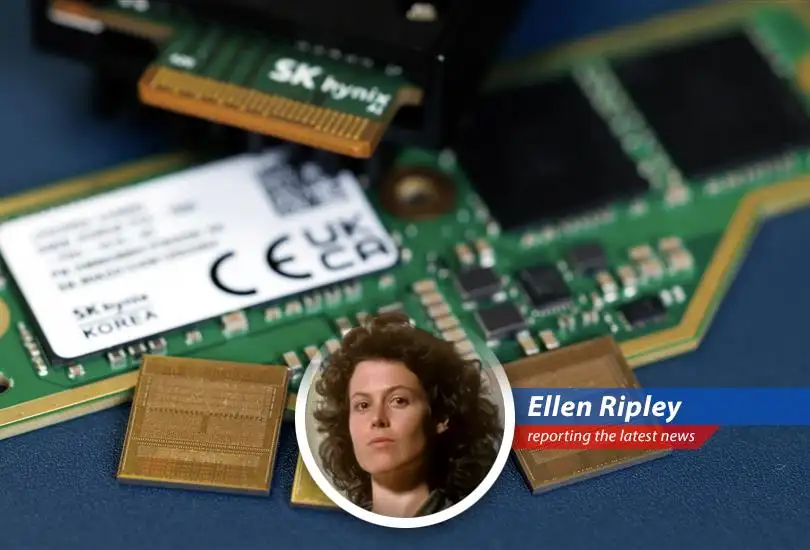
Alright, sweethearts, listen up. This whole Middle East situation is starting to smell like a Xenomorph nest. We're talking about chipmakers getting squeezed because of a potential shortage of helium and bromine. Helium, apparently, is crucial for keeping things cool when you're making these chips. As if things weren't complicated enough, Qatar kicks out over a third of the world's supply. Back in '23, the Semiconductor Industry Association warned about "shocks" to the system if helium dries up. Sounds like someone wasn't paying attention.
Middle East AI Buildout: Is This a Good Location?
So, these tech companies—Nvidia, Oracle, Microsoft, OpenAI—they're all planting their flags in the Middle East. Trying to cozy up to governments and snag some investment. Problem is, Iran's been throwing a wrench in the works, hitting data centers and causing outages. You know what that means, right? More chaos. If this keeps up, these companies might start looking elsewhere. Northern Europe, India, Southeast Asia—places where the power stays on and the security guards aren't asleep at the switch. Like Hicks always said, "It's a dry heat." Well, maybe not so much in Northern Europe, but you get the idea. Speaking of AI, I heard about AI Gold Rush India's Tech Sector Eyes Billion-Dollar Transformation, and I think tech companies will shift their attention to the Indian AI market, if things escalate.
Hedging Bets: Slow and Steady Wins the Race
Nobody's packing up their toys and going home just yet. But these companies are starting to think about Plan B. Slowing down new investments, pausing partnerships—smart moves. As Tess deBlanc-Knowles from the Atlantic Council said, they're hedging their bets. Good. Because when things go south, you don't want to be the last one off the Nostromo.
Fintech's Lucky Break and Meta's Power Move
Revolut finally got its banking license in the UK after waiting for years. About time. They're gonna start offering loans and all sorts of fancy stuff. Meanwhile, Meta's cooking up its own AI chips, expanding its data centers. They are trying to make themselves self-sufficient. Remember what Ash said? "Perfect organism. Its structural perfection is matched only by its hostility." Well, Meta's not a perfect organism, but they're definitely hostile to the competition.
Nscale's Fortune and Tesla's Comeback
Some AI data center startup called Nscale just raised two billion dollars, valuing them at fourteen point six billion. Seriously? What are they putting in the water these days? And Nvidia's throwing money at Mira Murati's Thinking Machines Lab. Someone's feeling generous. Tesla's China sales are up, too. They're clawing back some ground from BYD. Good for them.
Oracle Soars: Earnings and Assurances
Oracle's stock shot up this week after some solid earnings. They're promising not to take on any more debt in 2026. Investors are happy. See, even in this messed-up world, someone's making a buck. Just remember, "Stay frosty."
Middle East conflict AI infrastructure chip supply chain helium bromine data centers geopolitical risk AI investment Oracle Revolut
Comments
From Ellen Ripley





Breaking News






All Rights Reserved © 2023
bhughesnc
Meta making its own chips? They're serious about AI dominance.
Myhzeri
Tesla needs to keep innovating to stay ahead of the competition in China.
kponuorah
The article does a good job of connecting the dots between geopolitics and technology.
11065
The geopolitical instability is a reminder that technology is not immune to world events.