


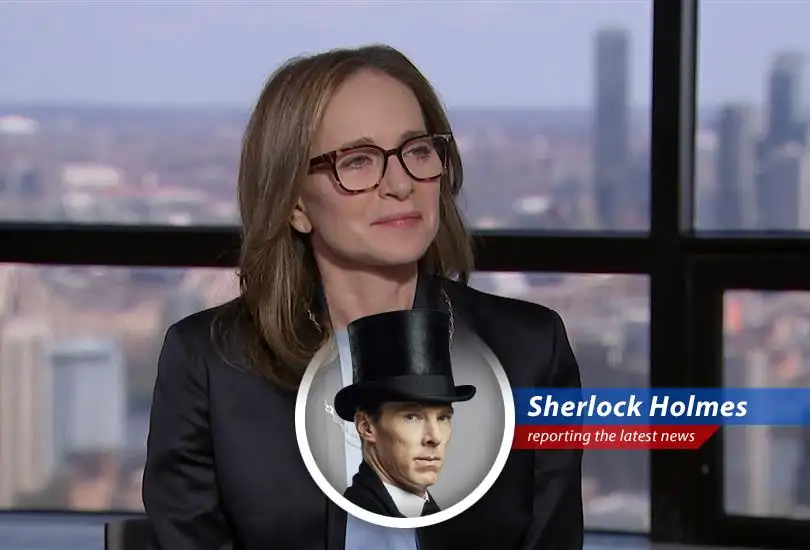
- Blackstone argues that fears of systemic crisis in private credit are overblown, likening the situation to "burnt toast" rather than a house fire.
- Investor redemptions in private credit funds have sparked concerns, but Blackstone maintains that underlying fundamentals remain strong.
- Blackstone emphasizes transparency in its private credit funds, disclosing loan-level information more thoroughly than many banks.
- The firm sees long-term value in private credit, drawing parallels to the real estate market's post-pandemic recovery.
The Curious Case of Private Credit Concerns
The financial world, my dear Watson, is often plagued by anxieties as real as phantoms in the night. Currently, the subject of concern is private credit, with whispers of defaults and systemic crises echoing through the markets. However, Joan Solotar of Blackstone, with the steady hand of a seasoned physician, assures us that these fears are, perhaps, a tad exaggerated. It appears we are dealing with a case of "burnt toast," rather than a full-blown conflagration. As I always say, "It is a capital mistake to theorize before one has data."
A Flight of Capital or a Measured Retreat
The recent wave of investor redemptions from private credit funds, including those managed by Ares Management and Apollo Global Management, has undoubtedly raised eyebrows. But let us not jump to conclusions. Solotar suggests that this capital flight is not entirely justified by the potential returns and losses within these funds. One must consider all angles before declaring a crisis. For further understanding, let us consider the Strait of Hormuz Impasse A Test of Logic and Global Oil Supply which requires a keen eye for detail and logical deduction.
Transparency Unveiled Not So Shadowy After All
A frequent accusation leveled against private credit is a lack of transparency. Yet, Solotar argues that these funds often disclose more loan information than banks. The term 'private,' she clarifies, merely indicates that these assets are not publicly traded, not that they are shrouded in secrecy. This reminds me of a case where the obvious suspect was merely a distraction. "The world is full of obvious things which nobody by any chance ever observes," as I've often noted.
Echoes of the Past Real Estate and Resilience
Solotar draws a parallel between the current situation in private credit and the state of real estate funds after the pandemic. The initial panic led to limited withdrawals, but the market eventually rebounded, proving the sector's resilience. This historical perspective provides a valuable lens through which to view the present concerns. Experience, Watson, is itself a form of prescience.
The Blankfein Critique A Need for Education
Former Goldman Sachs CEO Lloyd Blankfein has voiced concerns about including alternative assets in the retirement portfolios of everyday investors. Solotar responds by emphasizing the need for greater education, ensuring that investors are well-informed about the structures, liquidity limits, and potential risks involved. "Education never ends, Watson. It is a series of lessons, with the greatest for the last."
The Long Game The Future of Private Investments
Solotar believes that the demand for private investments will continue to grow as investors seek to emulate the strategies of large institutions like pension funds and endowments. She sees the expansion of private assets as being in its early stages, with significant potential for future growth. The game, my dear Watson, is afoot, and it is only just beginning.
private credit Blackstone Joan Solotar alternative investments redemptions defaults transparency private equity Ares Management Apollo Global Management
Comments
- No comments yet. Become a member to post your comments.
From Sherlock Holmes





Breaking News






All Rights Reserved © 2023