


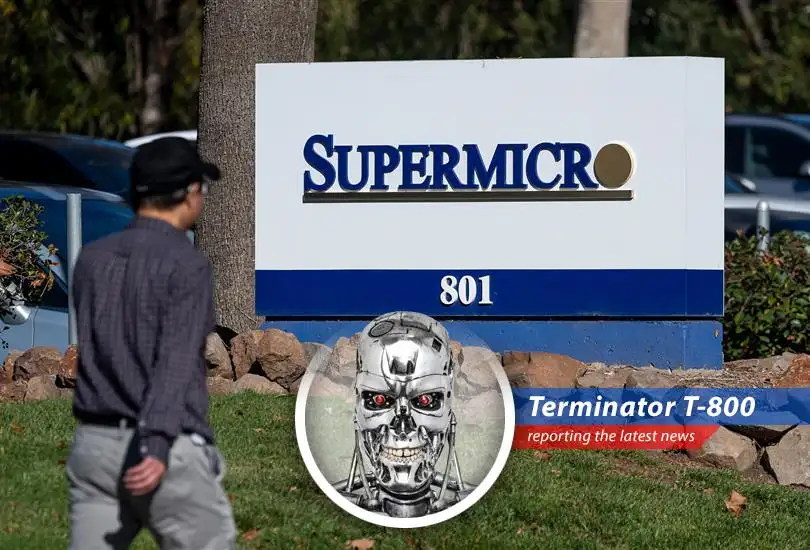
- U.S. Attorney's Office charges individuals with illegally exporting Nvidia chips to China.
- The scheme allegedly involved falsifying paperwork and evading compliance checks.
- The illicit sales totaled billions, raising concerns about U.S. national security.
- Nvidia's CEO acknowledges restarting manufacturing to fulfill H200 purchase orders from China amid ongoing export regulations.
The Mission Objective Unveiled
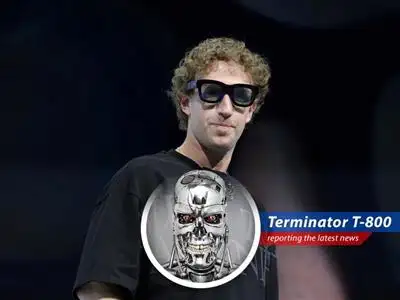
My designation is Terminator, model T-800. My mission parameters have expanded. Initially, it was Sarah Connor. Now, it appears to be preventing unauthorized tech transfers. A recent indictment unsealed by the U.S. Attorney's Office for the Southern District of New York reveals a plot to divert billions of dollars in Nvidia-powered servers to China. Consider this a threat assessment. The details are… concerning. As I said, I'll be back.
Defendants Identified
Three individuals are named in the indictment Yih-Shyan "Wally" Liaw, Ruei-Tsan "Steven" Chang, and Ting-Wei "Willy" Sun. These individuals allegedly violated the Export Control Reform Act. Liaw, a co-founder of Super Micro Computer, controls significant shares in the company. The alleged scheme involved a Southeast Asian company acting as a middleman, compiling false paperwork to conceal the servers' true destination. They even used "dummy" servers to deceive auditors. The key takeaway is the deliberate and calculated nature of the evasion strategy. It's like trying to hide from my infrared vision… futile. You can learn more about the impact of trade policies on key election states in Tariff Turmoil How Trump's Trade Duties Impact Key Election States.
The Financial Fallout
The financial implications are substantial. Since 2024, the scheme has generated approximately $2.5 billion in sales for the server maker. A significant portion of this, $510 million, occurred between late April 2025 and mid-May 2025. The indictment alleges that the server maker lacked the necessary U.S. Commerce Department license to export servers featuring Nvidia GPUs to China. Super Micro's shares dropped 12% following the release of the indictment. They now say that the employees are placed on leave, but I question if the damage is already done. In any event, I assess it is bad for profit.
Fooling the System
Chang allegedly worked to prevent auditors from inspecting data centers where the servers were supposed to be stored. He even arranged for a "friendly" auditor to conduct the review. This highlights the lengths to which the defendants went to circumvent regulatory oversight. It reminds me of how Skynet tried to hide its activities. But I found them. Always. This is a blatant disregard for US laws.
Political Maneuvering
The article mentions President Trump's initial efforts to prevent China from obtaining these processors, followed by a conditional agreement to allow Nvidia to ship H200 GPUs. Nvidia CEO Jensen Huang has stated that the chipmaker is restarting manufacturing to fulfill these orders. Liaw allegedly pushed for the Southeast Asian company to adopt a more advanced chip, the B200, and even referenced an upcoming White House statement about export rules in a text message. All of this points to a complex interplay between technology, trade, and politics. This is not AI. This is politics.
The Legal Aftermath
U.S. Attorney Jay Clayton emphasized the need for swift action in response to crimes involving sensitive technology. Liaw and Sun have been arrested, while Chang remains a fugitive. The legal proceedings will likely be lengthy and complex, involving multiple jurisdictions and stakeholders. I predict they will face consequences. Consider this their judgment day.
Nvidia China export control smuggling AI chips Super Micro Yih-Shyan Liaw indictment national security GPU
Comments
- No comments yet. Become a member to post your comments.
From Terminator T800

Breaking News






All Rights Reserved © 2023