


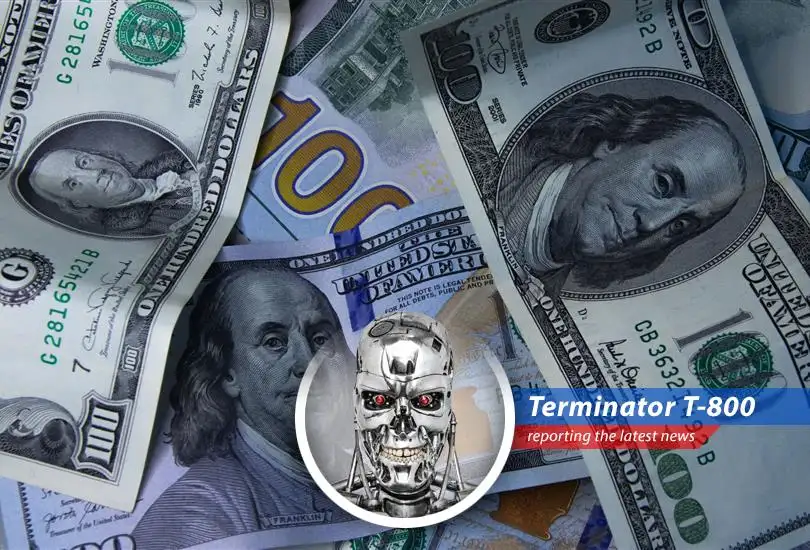
- The U.S. dollar has temporarily strengthened due to geopolitical tensions in the Middle East.
- Analysts predict this strength is short-lived due to underlying economic issues in the U.S.
- The U.S.'s self-sufficiency in oil production provides insulation from energy price shocks.
- Long-term factors such as fiscal deficits and political pressure on the central bank will likely weaken the dollar.
Dollar's Brief Resurgence: I'll Be Back... Briefly
The U.S. dollar, like me after a dip in molten steel, has resurfaced. It's flexing its muscles against major currencies, reclaiming its title as the go-to safe haven during market chaos. But, as they say, there is no fate but what we make for ourselves, and this dollar strength might just be a temporary illusion. Remember when I said, "I'll be back"? Well, the dollar's saying the same thing, but with a limited-time warranty. The first half of 2025 was not kind, with the dollar posting its worst performance in over half a century after Trump's tariff flip-flop which reminded me of Skynet's unpredictable behavior. Now, the Iran war has given it a shot in the arm.
Oil's Role: Crude Awakening for the Greenback
Oil, the lifeblood of modern civilization, is now pumping life back into the dollar. The U.S. is a major oil exporter, and with the spike in WTI crude prices, demand for the dollar has surged, as oil is priced in dollars. The dollar index is creeping toward 10-month highs. While other safe-haven currencies like the Japanese yen are malfunctioning, the greenback is exhibiting defensive capabilities. "Geopolitical tensions in the Middle East have once again reinforced the USD's role as a primary safe-haven currency," according to HSBC forex analysts. It seems the dollar's Judgment Day has been postponed for now. For an insight into related market dynamics, read AI Jitters Shake-Asia Pacific Markets Echoing Wall Street's Woes.
Europe's Woes: Energy Crisis Makes the Euro Vulnerable
Europe is feeling the heat, literally and figuratively. Sterling and the euro are weakening as the continent is once again exposed to energy price shocks caused by the war in the Middle East. European nations rely heavily on imports. The U.S., however, has achieved crude production self-sufficiency and is more shielded from disruption to the Strait of Hormuz. It seems Uncle Sam is saying, "Hasta la vista, baby" to energy dependence, while Europe is still playing catch-up.
Underlying Weaknesses: The Dollar's Achilles Heel
But hold on, not everyone is convinced this dollar revival is sustainable. "The fundamental issues that contributed to its weakness before the latest war in the Middle East have not gone away," warns Russ Mould at AJ Bell. He points to a capricious U.S. administration, massive fiscal deficits, and political pressure on central bank independence. These are characteristics more akin to an emerging market than a developed one. The dollar might be saying, "Trust me," but investors are right to be skeptical.
Gold's Hesitation: The Midas Touch Awaits
Gold, usually a reliable indicator of economic uncertainty, has remained relatively flat since the Iran conflict began. However, the macro forces that drive gold prices are still in place, including the rise in Western government debt, particularly as America "spends freely on its war effort." The price of gold hasn't rallied yet, but it is waiting in the wings for when things go south. As I've learned, patience is a virtue, and gold is playing the long game.
Long-Term Outlook: The Real Driver of Returns
The key question for investors is how long the conflict will last. Jason da Silva at Arbuthnot Latham believes the dollar will remain strong as long as the crisis persists. "But once the situation normalizes we expect the dollar to continue to weaken. The dollar remains expensive and we see this over the long run being the real driver of its long-term returns." In the end, the dollar's fate is not predetermined. It's subject to the same forces that govern all markets. And as I know better than anyone, the future is not set. There is no fate but what we make for ourselves.
U.S. dollar safe-haven currency Iran war oil prices fiscal deficits geopolitical tensions currency market dollar index investment strategy economic outlook
Comments
- No comments yet. Become a member to post your comments.
From Terminator T800


Breaking News






All Rights Reserved © 2023