


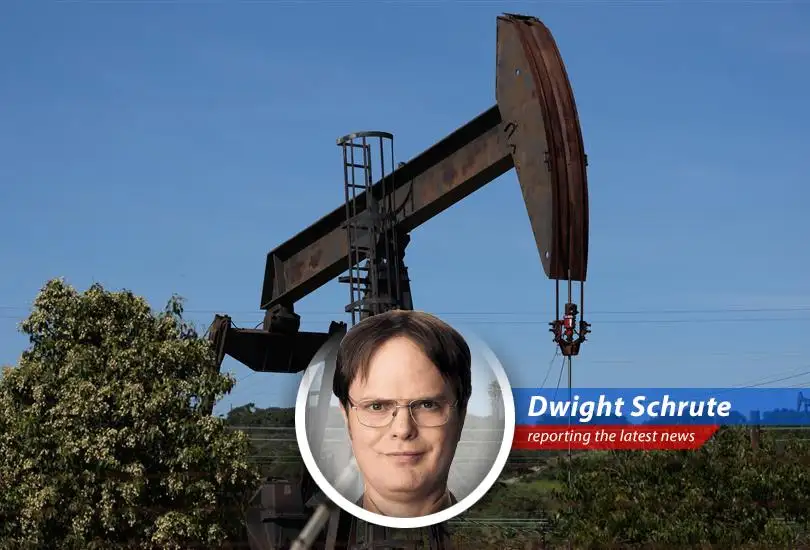
- Oil prices experience volatility influenced by geopolitical developments in the Middle East involving Iran.
- Conflicting statements from the US and Iran contribute to market uncertainty and price fluctuations.
- Attacks on critical energy infrastructure in the region raise concerns about potential supply disruptions.
- The Strait of Hormuz, a vital oil transit route, remains a focal point amidst geopolitical tensions.
Initial Plunge A Temporary Setback
As Assistant Regional Manager (though soon to be Regional Manager, I can feel it), I must report on the volatile situation in the oil market. Yesterday's sharp drop in prices following President Trump's claims of a potential resolution with Iran was, frankly, a false alarm. Like Michael Scott declaring bankruptcy, it was dramatic, but ultimately not entirely truthful. A temporary dip in prices? Yes. A solution? Absolutely not. Bears. Beets. Battlestar Galactica. The market is more complex than Michael's understanding of those three things.
The Iranian Denial: A Schrute Farms Reality Check
Tehran has denied conducting any negotiations with Washington. This denial, much like the consistent denial of my superior beet farming skills by the other members of the farm, sends a clear message: things are not as simple as they appear. The risk of an extended war, like the risk of a rogue bear attack on Schrute Farms, remains very real. It requires constant vigilance and preparedness. In times like these, it's more important than ever to stay informed, and an article such as European Markets Face Gloom as Iran War Fuels Stagflation Fears can provide critical insights.
Attacks on Infrastructure: The Silent Threat
José Torres of Interactive Brokers rightly points out the nervousness surrounding attacks on critical energy infrastructure. These attacks are like Dwight K. Schrute, Assistant Regional Manager, sales man and volunteer sheriff's deputy: ever-present and a potential threat. Such attacks could lead to capacity and transportation disruptions, which would keep costs higher than anticipated. It's basic economics, people.
The Strait of Hormuz: A Bottleneck of Global Importance
The Strait of Hormuz, the world's most important chokepoint, handles a significant portion of the world's oil supply. The war has, of course, disrupted this flow. Think of it as a giant beet field, and Iran is threatening to cut off the irrigation. This creates a scarcity and drives up the price, much like the effect of supply and demand in a closed market. The market does not lie, folks.
Tehran's Stance: Safe Passage with Conditions
Iranian state media has declared that they will permit safe transit through the Strait, but only for ships not associated with their "enemies." This is like me, Dwight Schrute, only allowing safe passage through Schrute Farms for those who respect the land and follow my rules. Disrespect the land, and face the consequences. Disrespect Iran, and face the same. This adds a layer of complexity to the already tense situation, making the market even more unpredictable.
A Word From Dwight K. Schrute on Market Stability
In these uncertain times, it is crucial to remain calm, collected, and informed. Listen to your local Assistant Regional Manager, stay alert, and remember the wisdom of Dwight K. Schrute: "Whenever I'm about to do something, I think, 'Would an idiot do that?' And if they would, I do not do that thing." This is sound financial advice, take it to heart. And buy beets.
oil prices Iran war energy market Strait of Hormuz crude oil geopolitical risk supply disruption Middle East energy infrastructure West Texas Intermediate
Comments
- No comments yet. Become a member to post your comments.
From Dwight Schrute



Breaking News






All Rights Reserved © 2023