


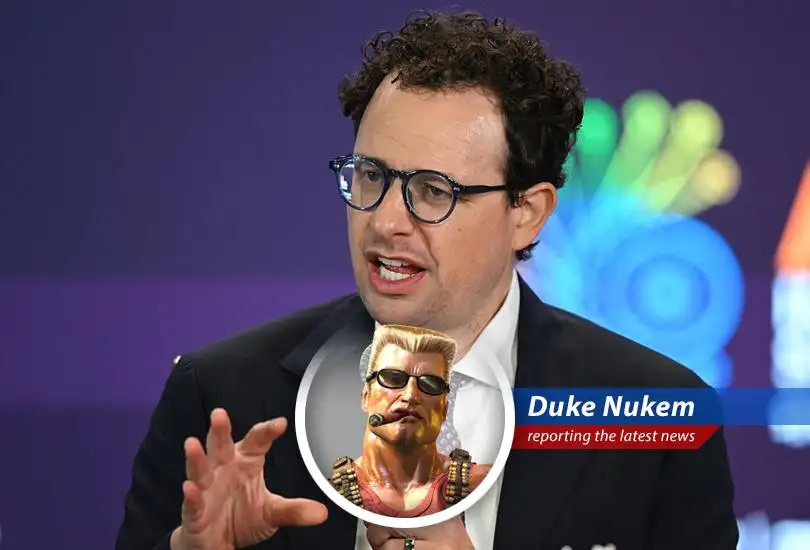
- AI models, including those from Anthropic and OpenAI, can already uncover software vulnerabilities similar to those found by Mythos.
- The limited release of Mythos, designed to give organizations time to bolster cyber defenses, has prompted discussions about increased government oversight of AI models.
- Cybersecurity experts emphasize the need for proactive defenses, as AI-enabled hacking tools could lower the barrier to entry for cybercriminals, potentially leading to a surge in attacks.
- Some experts suggest that while AI can help defend against cyberattacks, it initially gives an advantage to attackers, creating a sense of urgency and panic within industries.
The Mythos of Mythos Is it Already Here?
Alright, listen up. Word on the street is everyone's freaking out about this "Mythos" AI model from Anthropic. Apparently, it's finding software vulnerabilities left and right. Banks, tech giants, governments – they're all running around like chickens with their heads cut off. But here's the kicker: Some experts are saying this capability isn't some futuristic nightmare; it's already here. Existing AI models, like those from Anthropic and OpenAI, can do the same damn thing. It's like bringing a nuke to a knife fight, but the knives are already here. Looks like the party's over... for the bad guys.
Hysteria in the Cyber Trenches
So, Anthropic limited Mythos' release to a select few – Apple, Amazon, JPMorgan Chase, the usual suspects. They called it "Project Glasswing," sounds like something I'd name my next rocket launcher. The goal? To give corporations time to beef up their cyber defenses before the onslaught. But according to Klaudia Kloc, CEO of Vidoc, these models have been capable of sniffing out zero-days for months, maybe even a year. "The models that we have right now are powerful enough to detect zero days in a large scale, and this is scary enough," she said. I say, come get some! Speaking of scary, you should see me after a night out in Vegas. It turns out, smaller scale models working in parallel are effective and can produce the headline results using cheaper models working in parallel – suggesting that scale and coordination were more important than having the latest model. Read more about this in this article Data Center Construction Enters Hyperdrive Fueling Massive Expansion.
Orchestration: The Secret Weapon
Vidoc used a technique called "orchestration" to test if they could find the same vulnerabilities as Mythos. It's like conducting a symphony of code, splitting it into pieces and cross-checking with different tools. Turns out, they could replicate Mythos' findings with older models from both OpenAI and Anthropic. Aisle, another cybersecurity firm, echoed this sentiment. A thousand adequate detectives searching everywhere will find more bugs than one brilliant detective who has to guess where to look, they said. So, it's not just about having the newest, fanciest AI; it's about using what you've got effectively. Time to reload.
The Hackers Are Already Here
Now, Anthropic claims Mythos can take it a step further – developing exploits with minimal human input. But let's be real, the bad guys already know how to do this. Hackers from North Korea, China, and Russia aren't waiting for AI to hold their hands. They're out there right now, causing chaos. The real threat, according to Harris, is that the barriers to entry for cyber havoc have been lowered. More attacks, more targets, more reasons for me to kick some alien ass… I mean, protect our digital infrastructure. This is Duke Nukem, and I'm here to save the world, one byte at a time.
Offense vs. Defense
While Anthropic and OpenAI are working on cyber defense capabilities, the advantage, for now, goes to the offense. JPMorgan's Jamie Dimon said AI tools might eventually help companies defend themselves, but they're making them more vulnerable first. It's like giving a toddler a loaded weapon. Justin Herring, a partner at Mayer Brown, calls vulnerability management the "great Sisyphean task of cybersecurity." The good news is that cybersecurity startups are on it, trying to fix the world before things get too hairy. So, buckle up, folks. It's going to be a bumpy ride. Time to paint the town red.
Who Gets the Head Start?
The limited release of Mythos might have given a select few a head start on patching vulnerabilities, but it also created a divide. AI researchers haven't been able to independently verify Anthropic's claims or build defenses against it. Some say this has stunted cybersecurity innovation. Pavel Gurvich, CEO of Tenzai, argues that it's created tiers of haves and have-nots. It's a chicken-and-egg situation, according to Ben Seri of Zafran Security. You're going to break some eggs, it's unavoidable. I'm always up for breaking a few eggs... especially if they're alien eggs. Hail to the king, baby.
AI cybersecurity Mythos Anthropic OpenAI GPT-5.5-Cyber software vulnerabilities zero-day exploits cybercrime AI-enabled hacking Project Glasswing
Comments
- No comments yet. Become a member to post your comments.
From Duke Nukem


Breaking News






All Rights Reserved © 2023