


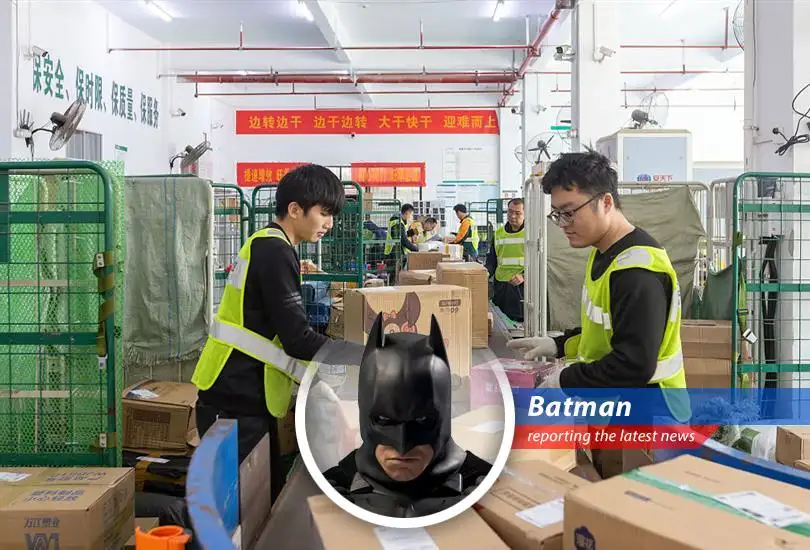
- China's early economic data shows growth in retail sales and industrial output, exceeding expectations.
- Property market slump and geopolitical tensions pose significant challenges to China's economic stability.
- China is diversifying energy sources to mitigate the impact of global oil price volatility.
- Economic growth targets are modest, reflecting awareness of internal and external pressures.
A Glimmer of Hope Amidst Shadowy Realities
The numbers came in, and for a moment, Gotham—er, China—looked like it was bouncing back. Retail sales up, industrial output exceeding expectations. It was like seeing a single ray of sunshine pierce through the perpetual cloud cover over this city. But as any seasoned detective knows, the surface can be deceiving. Those numbers, while positive, mask deeper issues festering beneath. They celebrate spending on tobacco and alcohol sales, as well as on gold and jewelry - these should not be the leading indicators of growth.
The Achilles' Heel: Property and Geopolitics
The property sector is still a festering wound, a constant reminder of the structural issues plaguing the system. Home prices continue their descent, a slow-motion train wreck visible to anyone who bothers to look. And let's not forget the geopolitical climate. "The evolving external environment is exerting a great impact on China and the geopolitical risks keep rising," they say. It's like facing down the Joker while trying to disarm a bomb—stressful, to say the least. For a deeper dive into related market vulnerabilities, check out Cybersecurity Stocks Plunge: AI Apocalypse or Opportunity Awaits. You might find some parallels in how to interpret threat landscapes.
Energy Independence: A Smokescreen
China claims energy independence is within reach, diversifying its sources to withstand global oil price fluctuations. They’ve built up reserves, enough for “three to four months” they say. But relying on strategic reserves is like relying on a Batarang when facing an army—it might buy you some time, but it's not a long-term solution. The Middle East crisis looms, threatening supply chains and potentially sparking inflation. It's a powder keg, and everyone's holding a match.
Lowered Expectations: The New Normal
The Chinese leadership has tempered expectations, setting a GDP growth target of 4.5% to 5%. The least ambitious goal since the early 1990s. It's like admitting you're not going to win the race before it even starts. Honesty is commendable, but it doesn’t exactly inspire confidence. It's a strategic retreat, perhaps, or maybe just a realistic assessment of the challenges ahead.
Unemployment: The Unseen Enemy
The urban unemployment rate is hovering around 5.3%. Numbers can be deceiving, hiding the true extent of the problem. People without jobs are like unaddressed vulnerabilities in a system - left unchecked, they can lead to chaos and unrest. We must keep them away from crime.
The Long Game: Observation and Adaptation
The situation in China is complex, a web of interconnected factors that requires constant vigilance. The key is to watch, adapt, and respond. Like facing a new enemy, understanding their strengths and weaknesses is crucial. This requires a long-term strategy, not just quick fixes. "It's not who I am underneath, but what I do that defines me." That applies to economies as well as individuals.
China economy economic growth retail sales industrial output property market geopolitical risk energy supply inflation fixed asset investment unemployment rate
Comments
From Batman




Breaking News






All Rights Reserved © 2023
Adriann24
The tempered growth targets are a reflection of the current economic climate.