


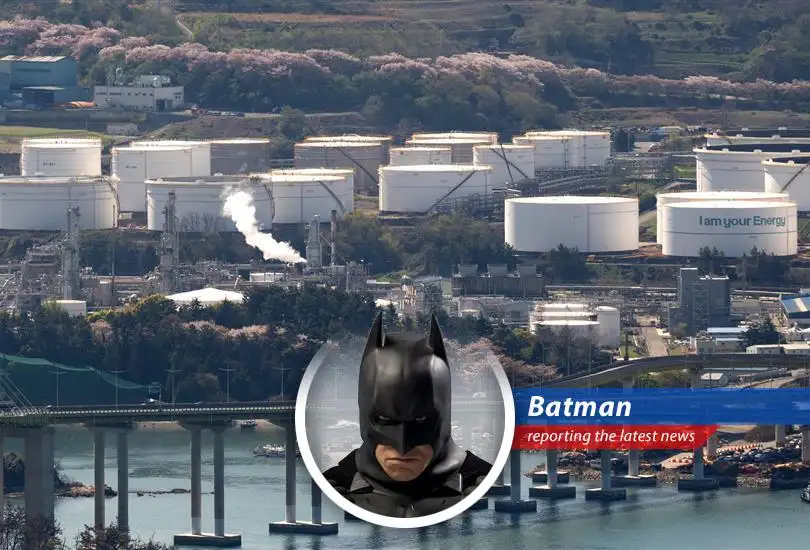
- Crude oil prices jumped significantly amid growing doubts about the continuation of US-Iran peace talks.
- The ceasefire deadline looms, raising fears of renewed conflict in the Middle East.
- Disruptions in oil supply are expected to worsen, impacting global markets.
- President Trump expresses readiness to resume military action if negotiations fail.
Shadows of Doubt Over Diplomacy
The smell of cordite hangs heavy, heavier than the exhaust fumes of the Batmobile after a high-speed chase. Reports indicate crude oil prices have surged, a 3% jump for Brent crude, settling near $98.48 a barrel. U.S. oil futures mirrored this rise, closing at $92.13. Why the sudden jolt? The U.S. and Iran, locked in a deadly game of cat and mouse, may not be heading towards a peaceful resolution. It appears Vice President Vance's trip to Pakistan, the supposed venue for peace talks, is on hold. A U.S. official, probably some pencil pusher sweating under the spotlight, told the New York Times that Iran has failed to respond to American negotiating positions. This isn't about Gotham's petty criminals; this is geopolitics, where the stakes are far, far higher. Remember, trust is like a batarang – best kept sharp and ready.
Tehran's Calculated Reticence
While American officials whisper their concerns to the press, Iranian leaders are playing their cards close to the chest. Publicly, senior Iranian officials have remained noncommittal to the talks. Iran's parliament speaker, Mohammad Bagher Ghalibaf, declared via social media, "Tehran will not accept negotiations under the shadow of threats." A sentiment that echoes through the halls of power like a sonar ping in the dark. Furthermore, Foreign Minister Seyed Abbas Araghchi has condemned the U.S. naval blockade as "an act of war and thus a violation of the ceasefire," further escalating the tension, just like the Joker at a fundraising event. The seizure of an Iranian cargo ship is being called "an even greater violation." The situation is volatile, to say the least. Speaking of volatile situations, have you read about the recent situation with AI involvement in the political landscape? It seems relevant given the level of manipulation being used in current affairs, so I recommend checking out this article: AI PACs Clash in NY Congressional Race: Snoop Dogg Weighs In.
Ceasefire Countdown
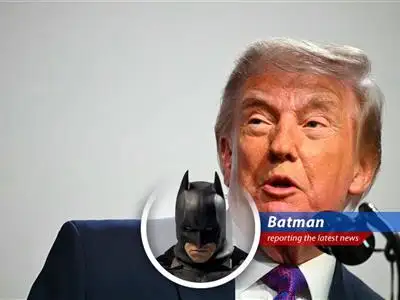
The clock is ticking. The ceasefire, that fragile truce, ends Wednesday evening U.S. eastern time. President Trump, never one to mince words (or show empathy), has stated his lack of interest in extending the truce. He's ready to resume the war if negotiations fail. "What I think is that we're going to end up with a great deal," Trump told CNBC, "I think they have no choice. We've taken out their navy, we've taken out their air force, we've taken out their leaders." It's a stark, brutal assessment, reminiscent of my own methods in Gotham, albeit on a global scale. Such decisive language can be effective in negotiation, but sometimes it can lead to conflict.
Trump's Gamble: Bombs or Bargains
Trump's perspective is clear: strength, or the *illusion* of strength, is the key. He expects "to be bombing because I think that's a better attitude to go in with." Oil prices, to him, are mere "peanuts." He finds it surprising they aren't higher, stating, "If you would have told me that oil is at 90 as opposed to 200 I would be frankly surprised." He seems to believe he is dealing from a position of strength. Of course, even the best-laid plans can crumble, just like a criminal's alibi under the pressure of my interrogation. This is like facing Ra's al Ghul – always three steps ahead, always a contingency in play.
The Strait Squeeze
The impending disruption to oil supply is a grim reality, according to Paola Rodriguez-Masiu, Rystad Energy's chief oil analyst. Tanker traffic through the Strait of Hormuz, a vital artery for global oil transport, remains dangerously low. The Gulf states are projected to produce 14.3 million barrels per day in April, a sharp decline compared to March and far below pre-war levels. This isn't just about numbers; it's about livelihoods, stability, and the delicate balance of global power. The world's economic systems are on the brink and even the smallest shock could turn into a cataclysm.
Consequences Loom
The stage is set for a potential escalation, or perhaps a last-minute reprieve. The coming hours will determine whether the world inches closer to the abyss or takes a hesitant step back. Either way, the citizens are the ones who pay the price. The markets will react. The consequences will be felt globally. And I, as always, will be watching, preparing for the worst, and hoping for the best. Because in the grand scheme of things, hope is all that we have. Sometimes, the truth isn't good enough. Sometimes people deserve more. Sometimes people deserve to have their faith rewarded.
crude oil prices Iran United States peace talks ceasefire war oil supply market analysis geopolitics Donald Trump
Comments
- No comments yet. Become a member to post your comments.
From Batman



Breaking News






All Rights Reserved © 2023