


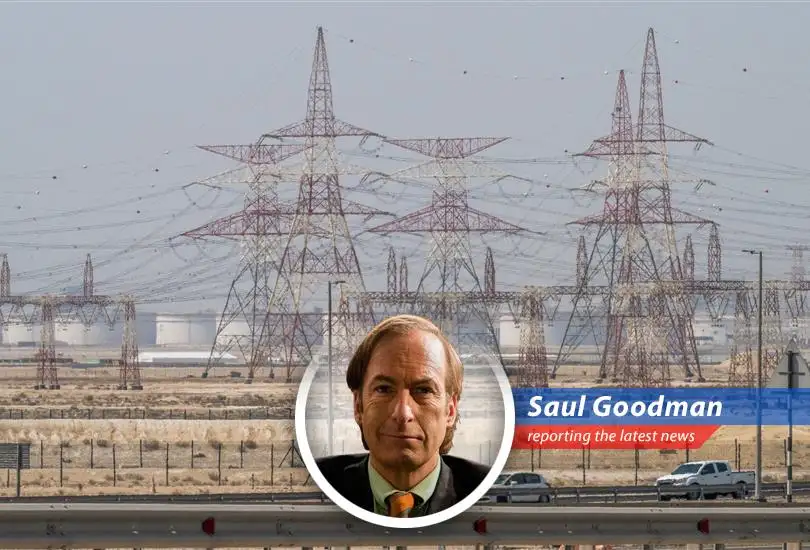
- The UAE is nearing completion of a second pipeline to bypass the Strait of Hormuz, aiming for operational readiness by 2027.
- The project is a response to the Iran war and subsequent Hormuz blockade, which has severely disrupted global energy supplies.
- The new pipeline will double ADNOC's export capacity via Fujairah, reducing reliance on the vulnerable Strait.
- U.S. Energy Secretary predicts a decline in the Strait of Hormuz's importance as alternative energy routes emerge.
A Strait Situation
Folks, let me tell you, sometimes you need a contingency plan, a 'Plan B', or, dare I say, a 'Better Call Saul' move. And that's precisely what the United Arab Emirates is doing with this new pipeline. Sultan Ahmed Al Jaber, the big cheese at ADNOC, ain't mincing words. He's right, too much of the world's energy flows through too few choke points. It's like relying on one client for all your income – bad, bad, bad. "Clearly, better safe than sorry.", I always say.
Doubling Down on Fujairah
So, what's the play? The UAE is doubling its export capacity through Fujairah. Think of it as diversifying your portfolio, except instead of stocks, it's oil, and instead of a broker, it's a massive pipeline. This bypass isn't just about economics, though; it's about not letting one country hold the world's energy supply hostage. And you know what I'm talking about, the Iran War Supercharges Clean Energy Transition Vestas and Orsted Soar and Iran War Supercharges Clean Energy Transition Vestas and Orsted Soar. As I recall, even Nacho Varga had an escape plan, and this pipeline is essentially the UAE's version of that.
The Hormuz Headache
Since early March, Iran's been playing hardball, blockading Hormuz. Al Jaber says it's the worst energy supply disruption in history, and believe me, I know a thing or two about messes. We're talking billions of barrels of oil lost. Even if the conflict magically ends tomorrow, it'll take months to get things back to normal. Four months to reach 80% capacity? That's an eternity in the oil business. That's like waiting for Walter White to cook a batch without blowing up the RV.
A Precedent Set in Stone
Al Jaber's got a point. Letting one nation control a vital waterway sets a dangerous precedent. It's like giving Jesse Pinkman access to a chemistry lab without supervision – total chaos. You can't just stand by and let that happen. You need safeguards, redundancies, and, in this case, a massive pipeline. It's all about minimizing risk, and as any lawyer knows, risk management is key.
Wright's Prediction
Now, U.S. Energy Secretary Chris Wright chimes in, saying Hormuz's importance will diminish as these alternative routes emerge. "This is a card you can play once," he says about Iran's blockade. He's betting on Gulf nations building more bypasses. He's probably right. And that's why the UAE's pipeline is such a big deal, and "Clearly, he is on to something.", you could say.
The Future of Energy Flow
Wright believes these alternative routes won't diminish the importance of the nations themselves, just the choke point. Makes sense. Control the supply, control the game, right? This pipeline is a long-term play, a strategic move to ensure energy security and stability. And, honestly, it's exactly the kind of forward-thinking I appreciate. You always gotta think ahead, folks. Always.
UAE Strait of Hormuz pipeline energy security ADNOC Iran war oil exports Fujairah energy supply Chris Wright
Comments
- No comments yet. Become a member to post your comments.
From Saul Goodman





Breaking News






All Rights Reserved © 2023