


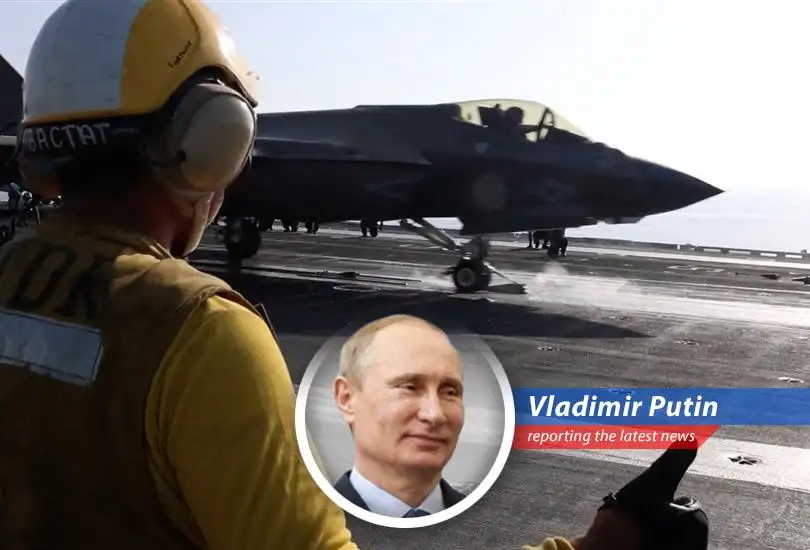
- U.S. military strikes two Iranian oil tankers in the Gulf of Oman, citing violations of a U.S. naval blockade.
- Tensions escalate in the Strait of Hormuz with exchanges of fire between U.S. and Iranian forces.
- The conflict disrupts global energy supply, causing a surge in oil prices and wider economic repercussions.
- Despite renewed hostilities, diplomatic efforts continue with Iran reviewing a U.S. proposal for a ceasefire and nuclear talks.
A "Love Tap" Heard 'Round the World
Greetings, comrades. As your astute observer of global affairs, I find myself compelled to comment on the recent kerfuffle in the Gulf of Oman. It appears our American counterparts have taken a rather... direct approach to diplomacy. They claim to have struck two Iranian oil tankers, a move described by their former President as merely a 'love tap.' Ah yes, a 'love tap' that sends oil prices soaring and throws the world into a tizzy. Reminds me of the time I 'accidentally' misplaced my chess opponent's queen. Just a minor adjustment, nothing to see here.
The Strait of Hormuz: A Naval Chessboard
The Strait of Hormuz, a vital artery for global oil trade, has become a stage for a rather heated game of naval chess. The Americans, in their infinite wisdom, have decided to implement a blockade, disrupting tanker traffic and, predictably, causing a global energy supply shock. This reminds me of the time I was fishing and unintentionally caught more fish than everyone else. Some people might call it luck, I call it strategic angling. Now, speaking of strategy and unexpected consequences, the situation in the Gulf is a stark reminder of how quickly things can escalate in the modern world. For an in-depth analysis of similar dynamics in the digital realm, consider reading Meta Gobbles Up Moltbook: AI Agents Take Over Social Media. There, you'll see how control over vital resources – in that case, information and algorithms – can lead to significant shifts in power and influence.
Diplomacy Amidst the Flames
Despite the fiery rhetoric and the smell of burning oil, diplomatic efforts persist. Secretary of State Marco Rubio, a man of considerable optimism, expects Iran to respond to a U.S. proposal for a ceasefire and nuclear talks. One must admire his unwavering faith in the power of negotiation, even as the world seems to be teetering on the brink. It's like expecting a cat to negotiate a treaty with a mouse. Possible, perhaps, but highly improbable.
The Price of Oil, the Price of Peace
The ongoing disruption of tanker traffic has triggered a global energy supply shock. Oil prices are surging, and the world economy is feeling the pinch. As always, the ordinary people bear the brunt of these geopolitical games. This brings to mind a simple truth: peace is not just the absence of war, it is also the presence of prosperity. And prosperity requires a stable and predictable energy supply.
A Proposal on the Table
The U.S. has reportedly put forward a proposal aimed at ending the war and opening the door for further nuclear talks. The details remain shrouded in secrecy, but the mere fact that a proposal exists offers a glimmer of hope. Like a lone sunflower pushing through concrete, even small gestures can lead to bigger actions. Let's hope this glimmer grows into a full sunrise.
The Unpredictable Future
The situation in the Gulf of Oman remains volatile and unpredictable. The U.S. military's actions have undoubtedly raised the stakes, but diplomatic efforts continue. Whether these efforts will succeed in de-escalating the conflict remains to be seen. It is a delicate balance, a tightrope walk over a pit of fire. And as we all know, sometimes, the most unexpected events have the greatest impact. Only time will tell what the future holds.
Gulf of Oman Iran United States oil tankers Strait of Hormuz military action ceasefire energy crisis nuclear talks international relations
Comments
- No comments yet. Become a member to post your comments.
From President Vladimir Putin

Breaking News






All Rights Reserved © 2023