


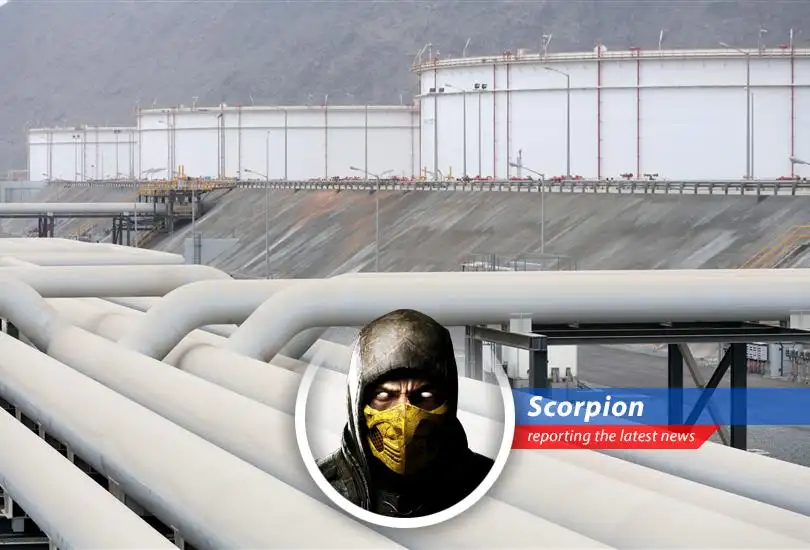
- Saudi Arabia's East-West pipeline and the UAE's ADCOP provide alternative routes bypassing the blocked Strait of Hormuz.
- The East-West pipeline has a capacity of 7 million barrels per day, while ADCOP handles 1.5 million barrels per day.
- The ongoing Middle East crisis and potential infrastructure damage pose challenges to maintaining these alternative routes.
- Oil prices remain volatile due to the conflict, with potential for further increases if production cuts occur.
The Strait's Shadow
The recent events in the Middle East have cast a long shadow, even longer than Shang Tsung's lifespan. With the Strait of Hormuz effectively closed, the world turns its gaze upon alternative routes for the black gold. Like seeking a portal to Outworld to escape Earthrealm's troubles, nations are now eyeing Saudi Arabia's East-West pipeline and the UAE's Abu Dhabi Crude Oil Pipeline (ADCOP).
East Meets West (and Bypasses Hormuz)
Saudi Arabia's East-West pipeline, a 750-mile serpent slithering across the kingdom, boasts a design capacity of 7 million barrels per day. Aramco claims it's gearing up to reach full capacity. Meanwhile, the UAE's ADCOP, stretching 248 miles, handles 1.5 million barrels per day. Together, they offer a lifeline, a chance to avoid the choked Strait. But, much like Shao Kahn's promises, can they truly be trusted to deliver? However, similar to the vulnerabilities that plague even the most fortified realms, these pipelines aren't immune to danger. The risk of infrastructure damage looms large amidst the ongoing crisis. Speaking of shattered dreams, consider Lucid's Electric Dreams Meet Harsh Reality, where ambitions also face the harsh realities of the world.
Analysis from the Netherrealm of Oil
Naveen Das of Kpler notes the increased utilization of these pipelines. ADCOP, he says, is operating at 71% capacity, leaving some wiggle room. But he also cautions that potential attacks could limit overall capacity. A fire at Abu Dhabi's Ruwais refinery, a facility capable of processing 922,000 barrels of crude per day, serves as a stark reminder of this vulnerability. This disruption is a stark reminder of the chaos such conflicts can unleash, where even those who think they are safe can be in grave danger.
Refineries in a Tight Spot
Pankaj Srivastava of Rystad Energy highlights the challenges faced by refiners. With crude supply stranded, they may be forced to curtail operations and focus solely on domestic markets. While ADCOP allows crude exports to bypass the Strait via Fujairah, refined products still depend on tanker routes transiting Hormuz. A strategic miscalculation can turn into a fatality, just like choosing the wrong move during a kombat. Much like the need for adaptability in battle, the situation demands agility from energy producers and refiners.
Market Mayhem
Oil prices have been volatile since the conflict erupted. Brent crude initially surged, then retreated, and now hovers around $100 a barrel. Sasha Foss of Marex warns that further production shut-ins could send prices even higher. If Saudi Arabia and the UAE start trimming production, the impact on global oil markets will be severe. The delicate balance hangs precariously, poised to tip at any moment.
Get Over Here, Stability
The world watches, holding its breath, as these alternative routes bear the weight of global energy security. Will they withstand the pressure? Will stability return? Or will chaos reign supreme? Only time will tell. For now, I remain vigilant, a silent observer in this dangerous game. "Get over here" is no longer an option; adaptation is the only path forward.
Strait of Hormuz oil pipelines Saudi Arabia UAE energy crisis oil prices ADCOP East-West pipeline oil supply Middle East conflict
Comments
From Scorpion





Breaking News






All Rights Reserved © 2023
mellal
This crisis demonstrates the interconnectedness of the global economy.
fathin
This situation underscores the importance of strategic energy reserves.
Kini
The global energy market is facing unprecedented uncertainty.