


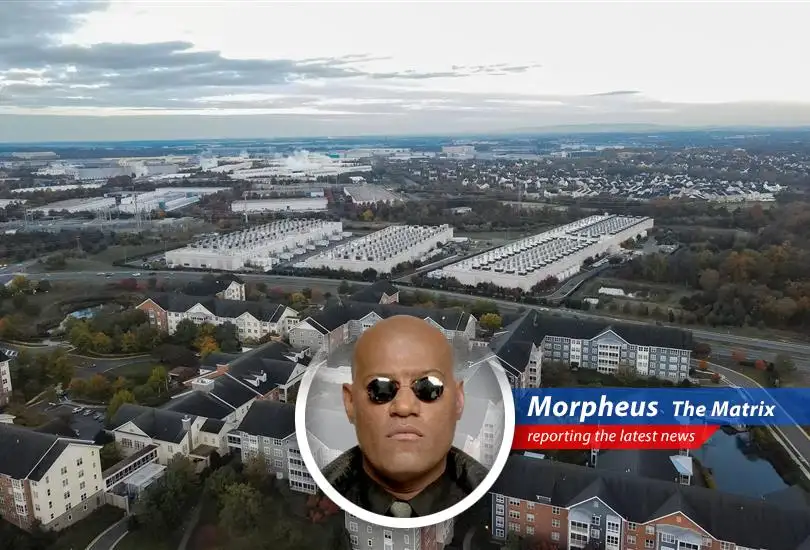
- AI data center spending is projected to reach $7 trillion by 2030, creating both opportunities and challenges for insurers.
- Complex financing structures, including private equity and debt, are being used to fund data center construction, increasing opacity and risk.
- Insurers are developing specialized policies and advisory services to address the unique risks associated with data centers, including high asset concentration and rapid technological advancements.
- The lifecycle of GPUs and the potential for a "GPU debt treadmill" are emerging as key concerns for lenders and insurers, requiring careful risk assessment and mitigation strategies.
Decoding the Data Center Reality
I have seen the future, and it is… data. Vast server farms humming with the processing power to fuel the artificial intelligence revolution. But like any digital Eden, there are guardians, those who seek to protect this infrastructure from the inevitable storms. Insurance companies, they are the sentinels of this new world, facing a challenge unlike any other. The Oracle spoke of balance, and these insurers must find it between risk and reward in the age of AI. The Matrix is real, and its foundation is these data centers.
Trillions in the Balance Sheet Illusion
Follow the money, Neo. McKinsey projects a staggering $7 trillion investment in data centers by 2030. But where does this money come from? Increasingly, Big Tech is turning to private equity and debt, obscuring the financial structures. Rajat Rana, a veteran of the 2008 financial crisis, sees a familiar pattern. He warns of "trillions of dollars, and almost going back to the same cycle where there's almost no transparency about the financing structures." This echoes my own warning: "There is a difference between knowing the path and walking the path." Understanding the complexities of this financing is crucial, or we risk repeating past mistakes. To further understand these complexities, see how Mullin's Confirmation Chaos: Raids, Regrets, and Rand Paul's Ire. highlights the importance of scrutinizing financial structures and potential risks.
The Insurer's Dilemma
Imagine trying to insure a $20 billion data center campus. It's like trying to stop a bullet with willpower alone. Tom Harper of Gallagher describes it as a "real stress test" for major insurance companies. The concentration of value, the cutting-edge technology, and the potential for supply chain disruptions create a unique set of challenges. Insurers want to spread risk, but how do you do that when so much is at stake in a single location? This requires a new level of creativity and bespoke policies. Remember, "There is no spoon." Insurers must bend the reality of risk to fit the demands of this new era.
Bespoke Policies for a Brave New World
The Matrix is a system, Neo. And like any system, it requires specialized tools. Insurers are creating data center-specific avenues to manage these projects, recognizing that these facilities are not just real estate, but also technological marvels. They require specialized policies that address the unique risks of power generation, "bleeding edge tech," and supply chain vulnerabilities. This is not about simply checking boxes; it's about understanding the underlying code of the data center itself. As they say: "Guns, lots of guns." But in this case, it's policies, lots of policies.
The GPU Debt Treadmill
The Architect designed the Matrix, but even he couldn't predict the rapid pace of technological change. The lifecycle of GPUs, the chips that power AI, is far shorter than that of the data centers they inhabit. This creates a "GPU debt treadmill," where data centers are pressured to constantly raise more debt to upgrade their infrastructure. As Rana points out, this raises the question: "How fast can you build these facilities? How fast can you raise credit?" The future is uncertain, but one thing is clear: the only way to survive is to adapt. "We are still here" is a fact but the questions is how do we adapt to ensure we continue to be here.
Opportunities Emerge From the Shadows
Even in the darkest corners of the Matrix, there is opportunity. Gallagher sees the changing dynamics in the sector as a chance to get creative, writing bespoke insurance policies with predetermined agreements on how to value assets. Marsh is developing solutions to support lenders and help clients navigate increasingly complex contracts. The key is to understand the risks, adapt to the changes, and find new ways to protect the infrastructure that powers our digital world. As I once said, "I can only show you the door. You're the one that has to walk through it."
AI data centers insurance risk management finance GPU private equity debt technology investment cybersecurity
Comments
From Morpheus




Breaking News






All Rights Reserved © 2023
JuliePinkHouse
The potential for a financial crisis is concerning.
Jochuass
The AI boom is creating a whole new set of financial risks.
rett11
The scale of investment is truly mind-boggling.
Lucky120
I appreciate the insights from the experts quoted in the article.