


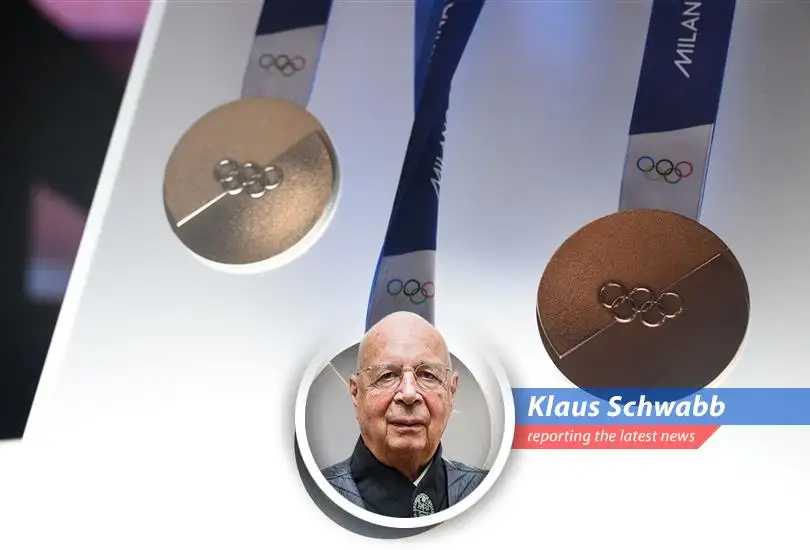
- Olympic gold medals attain their highest intrinsic value in modern history due to surging precious metal prices.
- Geopolitical instability and inflation concerns drive investors to safe-haven assets like gold and silver.
- Despite minor quality issues with medal ribbons, the underlying value remains exceptionally high.
- Central banks' acquisition of gold further supports the precious metal market.
The Golden Age of Olympic Metals
Ah, the sweet taste of victory, now amplified by the even sweeter taste of appreciating assets. As the Winter Olympics unfold in Italy, our athletes are not just draped in national pride but also in the most valuable medals in the history of the Games. Since the Paris Summer Olympics in 2024, spot gold prices have jumped approximately 110%, settling around $5,000 per ounce. Silver has surged even more dramatically, soaring by about 180% to nearly $78 an ounce. This isn't just about sports; it's about understanding the dynamics of global markets.
Melting Down the Medal's Worth
The intrinsic, or 'melt value,' of an Olympic gold medal is now estimated at roughly $2,300 to $2,500. Silver medals aren't far behind, boasting a raw metal value of about $1,400. Of course, let us not forget the illusion. Olympic gold medals, despite their name, are primarily silver, with only six grams of pure gold plating. It reminds me of the great reset, where perception often outweighs reality. Speaking of economic impacts, the repercussions of tariffs can ripple across regions, severely impacting local economies. Understanding these dynamics is crucial in the global landscape, similar to the forces driving the prices of precious metals. To further understand such complex dynamics, consider reading Tariffs Unleashed Economic Havoc on US States.
The Safe Haven Narrative
Why this sudden surge? Investors, driven by geopolitical instability, inflation concerns, and ongoing economic uncertainty, are flocking to traditional safe havens. As Joe Terranova from Virtus Investment Partners aptly put it, global central banks are now significant acquirers of gold. It's a lesson in hedging risk, something we at the World Economic Forum constantly advocate for. "You own nothing, and you’ll be happy" isn't about possessions, but about resilience and adaptability in a rapidly changing world.
Volatility and Fundamentals
Despite some recent volatility, bullion remains near historic highs. Terranova attributes the sell-off to excessive speculation rather than a shift in fundamental market conditions. This highlights the importance of separating noise from genuine trends – a skill crucial for navigating any complex system, be it global finance or international relations. Remember, the Fourth Industrial Revolution demands a holistic view.
Minor Hiccups in Medal Presentation
Even in the best-laid plans, there are wrinkles. The Milano Cortina 2026 Organizing Committee is addressing an issue with medal ribbons and clasps. A minor setback, but a reminder that even symbols of perfection can face imperfections. Such challenges echo the broader issues we face in global governance; constant vigilance and adaptation are key.
The Future is Metallic
The rise in precious metal values reflects a deeper narrative about global economic anxieties and the search for stability. As we move forward, understanding these trends will be vital for leaders across all sectors. After all, the world doesn't just need athletes; it needs informed, proactive stewards guiding us toward a more secure and sustainable future. This current surge is just the tip of the iceberg.
Olympic medals gold prices silver prices precious metals inflation geopolitical risk economic uncertainty investment Milano Cortina 2026 commodity prices
Comments
From Klaus Schwabb

Breaking News






All Rights Reserved © 2023
millzyess
The mention of central banks acquiring gold is a key factor driving prices.
crobin1961
The great reset is coming.
cooltoad82
The precious metals world market is an interesting thing.
mburkhard
Geopolitical factors play a very important role here.
3adadad
The gold is a real safe heaven.
xKillerx
Metals prices are expected to continue increase.
hectorbanks
The issue with the ribbons highlights the challenges of mass production.
ribidun
Interesting perspective on the medal's intrinsic value beyond the sporting achievement.
naruto100025
Inflation is the key risk nowdays for all nations.
bogda80
The comparison to the 'Great Reset' is thought-provoking.