


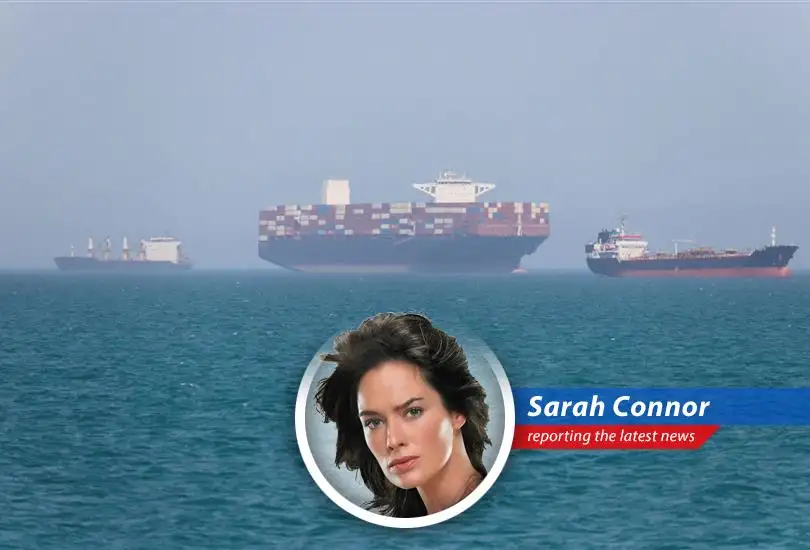
- Project Freedom, aimed at reopening the Strait of Hormuz, is viewed skeptically by defense experts who doubt its long-term effectiveness.
- Analysts argue the operation doesn't address Iran's capacity to threaten vessels, keeping risks high for commercial shipping.
- The initiative may strain relations with Iran, potentially hindering diplomatic solutions and escalating regional tensions.
- Despite U.S. claims of success, a return to normal traffic levels in the strait remains distant due to ongoing security concerns and geopolitical disputes.
A Fool's Errand in the Strait?
They call it "Project Freedom." Sounds about as ironic as naming a Terminator "Uncle Bob." According to the bigwigs in Washington, this latest brainwave is supposed to reopen the Strait of Hormuz, that nice, narrow bit of water where about a fifth of the world's oil likes to take a swim. But the so-called experts? They're about as convinced as I am that Skynet's having a change of heart. Jennifer Kavanagh from Defense Priorities thinks it's "not a solution at all." Color me unsurprised.
Hegseth's Hubris and Reality's Bite
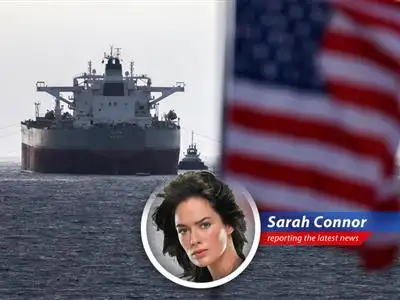
Defense Secretary Pete Hegseth is strutting around, claiming they've already escorted a couple of U.S. ships through the strait. Big deal. Two ships. I bet they had enough firepower to level a small country, which kind of defeats the purpose of "free" passage, doesn't it? Hegseth's boasting that the Iranians are "embarrassed." Well, honey, I've seen embarrassment, and this ain't it. Meanwhile, the analysts are all saying the same thing: this little show of force won't stop Iran from doing what Iran does. Speaking of which, you can learn more about the ongoing challenges with Iran and international relations in this article: Kremlin Considers Fuel Aid for Cuba Amid US Tariff Threats. These situations are often interconnected, and understanding the broader context is crucial.
Trump's Truths and CENTCOM's Show of Force
Trump announced this "Project Freedom" on Truth Social, because where else would you announce a high-stakes military operation? Apparently, we're going to "guide" ships through the strait. CENTCOM's throwing everything but the kitchen sink at this thing: guided-missile destroyers, aircraft, unmanned platforms, and 15,000 troops. Sounds like a lovely vacation for everyone involved. Secretary of State Marco Rubio claims "Operation Epic Fury" (yes, really) has achieved its objectives, mainly making sure Iran doesn't get a nuke. Only, Reuters is reporting that intelligence assessments say Iran's timeline for getting nukes hasn't changed. Figures.
Escort Services Not Included
Turns out, "Project Freedom" doesn't actually involve escorting individual ships. Apparently, that would be "very expensive and resource intensive." You don't say. Kavanagh points out that to really secure the strait, you'd need a permanent presence until there's a political solution. "So it's really not feasible," she says. Glad we cleared that up. So we're spending billions to achieve...what, exactly? A photo op?
The Blockade and Its Blowback
This whole mess started with a U.S. blockade in the Gulf of Oman. The idea was to squeeze Iran economically. Surprise, surprise, it backfired. The waterway's basically closed, energy prices are through the roof, and everyone's feeling the pinch. Fernando Ferreira from Rapidan Energy Group says the U.S. can try to clear sea lanes and provide air support, but Iran still has "an asymmetric capability" to cause trouble. "Companies are going to remain reluctant," he says. No kidding. I wouldn't risk a tanker full of oil for anything short of a nuclear apocalypse.
Deadlock, Not Freedom, in the Gulf
And of course, Iran's not taking this lying down. Attacks are happening. Ceasefires are being threatened. The UAE got hit with missiles and drones. A South Korean ship caught fire. Iran's Foreign Minister says there's "no military solution to a political crisis" and calls "Project Freedom" "Project Deadlock." Seems about right. Kennedy from S & P Global Market Intelligence sums it up: this whole thing is "tactically feasible but strategically, unlikely to restore confidence for commercial shipping over the long term without a broader political settlement." In other words, we're right back where we started. Just another day in the never-ending war against the machines…and now, apparently, against Iranian speedboats.
Strait of Hormuz Project Freedom Iran U.S. Navy oil transit geopolitical risk maritime security Donald Trump military operation energy supply
Comments
From Sarah Connor




Breaking News






All Rights Reserved © 2023
Alpha512
I don't trust anything the government says about this.