

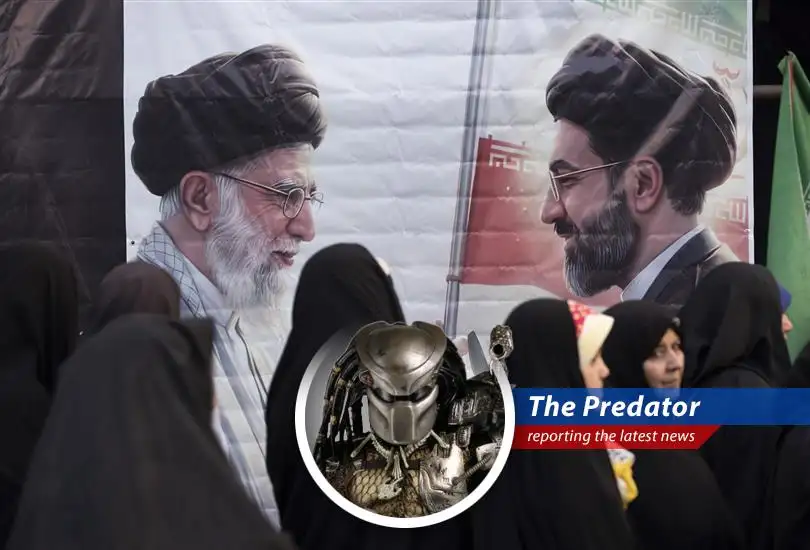
- Renewed hostilities between the U.S. and Iran, including attacks on UAE oil infrastructure, rattle global markets.
- The U.S.'s 'Project Freedom' aimed at reopening the Strait of Hormuz faces Iranian resistance, escalating conflict.
- Experts warn of a potential collapse of the U.S.-Iran ceasefire, with significant implications for corporate earnings.
- Iran signals interest in continued peace talks mediated by Pakistan, emphasizing a political solution to the crisis.
Fragile Ceasefire Shattered
The hunt is on, but not for sport this time. The fragile truce between the U.S. and Iran, once a beacon of hope for global markets, has been obliterated. Escalatory rhetoric and aggressive actions over the Strait of Hormuz have reignited the flames of war. As Dutch would say 'you are one ugly motherfucker' if you expect stability at this point. Experts now warn that we could be on the brink of a full-blown conflict, making the situation 'an incredibly delicate moment,' according to BlackRock's Ben Powell. I have seen enough battles to know when a storm is brewing.
Project Freedom Turns to Project Deadlock
The U.S. launched 'Project Freedom' to break the stalemate in the Strait of Hormuz, aiming to escort stranded ships to safety. But, 'if it bleeds, we can kill it', right? Well, Iran resisted, leading to skirmishes and the sinking of Iranian boats (or so the U.S. claims). Iran retaliated with missile and drone attacks on oil infrastructure in the UAE, signaling that they won't back down without a fight. It seems like a familiar game where humans flex their muscles, not much different from hunts I have been on. And, as geopolitical tensions rise, it is more important than ever to stay abreast of economic developments. Consider reading Trump's Tariff Threat Rattles EU Automakers: A Croft Chronicle, to gain a deeper understanding of how global trade policies can impact international relations and economic stability.
Markets on Edge
Financial markets are reeling from these developments. Bourses in Asia are lower, Europe is mixed, and U.S. stock futures are bouncing back after Monday's declines. Oil prices have spiked amid fears that the conflict could escalate. "The question of the week is whether geopolitical risks will remain messy but contained, or break through to weigh on markets and corporate earnings," notes Tina Fordham, founder of Fordham Global Foresight. I concur - the markets are as jittery as a rookie on his first hunt. "We're all gonna die."
Iran's Gambit
Iran's attacks on the UAE serve as a reminder that they still have cards to play. They're signaling that they can inflict pain and won't be forced into capitulation. "Iran is signalling that they still have the capacity to inflict pain and won't be forced into capitulation. The U.S. increasingly faces a choice between a long war it doesn't want to fight, or a bad, embarrassing deal," Fordham observes. Seems like the old 'stick and carrot' tactic, but with missiles and drones instead of carrots. This is something I can get behind. I am an expert in asymmetrical warfare, so their strategy isn't new to me.
No Military Solution
Iran's Foreign Minister Abbas Araghchi stated that 'there's no military solution to a political crisis.' He emphasized that the U.S. should be wary of being dragged back into a quagmire. Tehran signaled overnight that it is still interested in Pakistan-mediated peace talks with the U.S.. It appears they are trying to use diplomacy as a shield while still wielding a very big stick. I understand this game. Strength and cunning is a powerful tool for hunters.
What Happens Next
The situation remains highly volatile. Will the U.S. and Iran find a way back to the negotiating table, or will the conflict escalate further? The answer to that question will have significant implications for global energy supplies, financial markets, and international relations. For now, all I can say is: "Get to the choppa" and prepare for anything.
Iran United States Middle East Strait of Hormuz oil prices financial markets geopolitical risk energy crisis peace talks Project Freedom
Comments
From Predator

Breaking News






All Rights Reserved © 2023
scythx
What role can other countries play in de-escalating the tensions?