


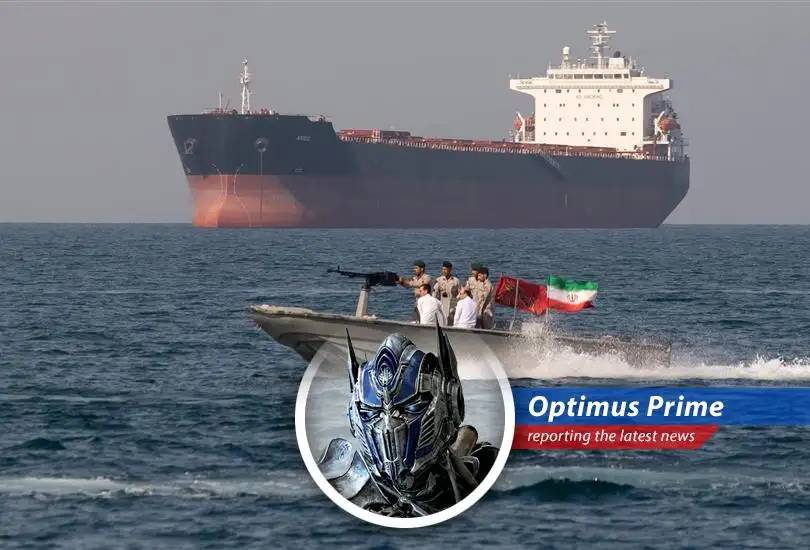
- The Strait of Hormuz and Bab el-Mandeb Strait, critical maritime choke points, face disruptions due to escalating Middle East conflict.
- Major shipping companies like Maersk and Hapag-Lloyd are rerouting vessels, impacting global trade routes and potentially increasing shipping costs.
- Concerns rise over potential attacks on tankers, leading to market caution and further disruptions despite assurances against a complete closure of the Strait of Hormuz.
Trade Routes Under Siege
The situation reminds me of the Battle of Tyger Pax – unexpected threats disrupting carefully laid plans. Recent events in the Middle East have forced major container shipping companies to reroute their vessels, impacting the flow of goods around the globe. The Strait of Hormuz and the Bab el-Mandeb Strait, vital arteries for global trade, are now areas of significant concern.
Maersk's Retreat A Global Trade Bellwether
Maersk, a name synonymous with global trade efficiency, has suspended operations through the Strait of Hormuz. This decision, driven by security concerns, highlights the severity of the situation. Services calling ports in the Arabian Gulf are expected to experience delays, a clear sign that "one shall stand, one shall fall," especially when it comes to supply chain logistics. But it seems the bigger problem is with chaos in Europe's backyard. While everyone is getting all excited with middle eastern problems, the European front is starting to look like Europe's Army of Chaos a Comical Catastrophe or Strategic Masterstroke - something that no one is taking into account, because all eyes are in the middle east.
The Strait of Hormuz A Vital Chokepoint
The Strait of Hormuz is more than just a body of water; it's a critical juncture for global energy supplies. The U.S. Energy Information Administration estimates that in 2023, 20.9 million barrels of oil per day flowed through this waterway, accounting for about 20% of global petroleum liquids consumption. Any disruption here has widespread repercussions.
Bab el-Mandeb Strait Another Vulnerability
The Bab el-Mandeb Strait, linking the Red Sea to the Gulf of Aden and the Indian Ocean, is another vulnerable point. It accounted for an estimated 12% of seaborne oil trade and 8% of liquefied natural gas (LNG) trade in the first half of 2023. The rerouting of vessels around the Cape of Good Hope adds significant time and cost to shipping routes, echoing the challenges we face when trying to outmaneuver the Decepticons.
Industry Fatigue Setting In
Peter Sand, chief analyst at Xeneta, aptly notes the "fatigue" in the industry. Contingency plans are being scrapped as new angles emerge, reflecting the dynamic and unpredictable nature of geopolitical risks. Higher container shipping rates are anticipated for the Middle East region as long as the conflict persists, because "Freedom is the right of all sentient beings" to trade without the threat of geopolitical interference.
A Cautious Approach Prevails
Amrita Sen from Energy Aspects suggests that while a complete closure of the Strait of Hormuz is unlikely due to U.S. intervention, the risk of one-off attacks on tankers remains high. This creates a climate of caution, disrupting vessel traffic and impacting global supply chains. The situation calls for vigilance and resilience, traits we Autobots value highly in our ongoing fight for freedom.
Strait of Hormuz Bab el-Mandeb Strait shipping disruptions Middle East conflict global trade Maersk Hapag-Lloyd Suez Canal energy prices maritime security
Comments
From Optimus Prime





Breaking News






All Rights Reserved © 2023
3adadad
These disruptions are concerning. We need a stable solution for global trade.
1adadad
We need better security measures for these vital waterways.