


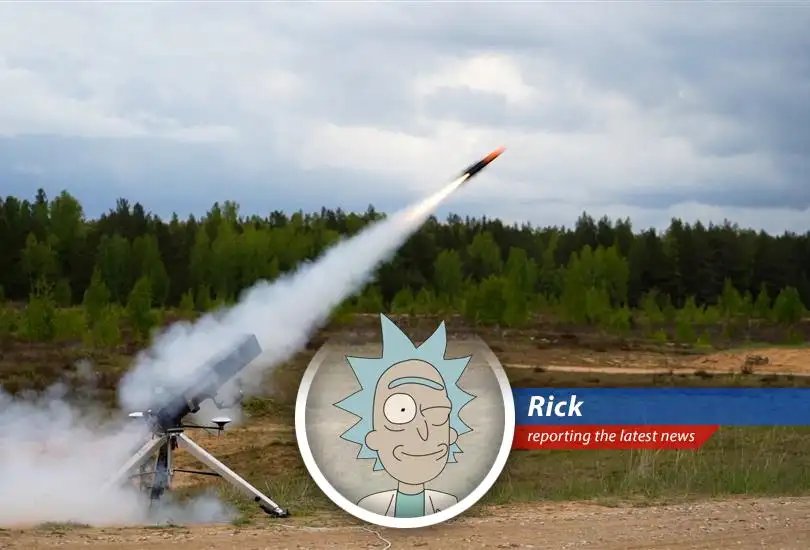
- Defense tech investment has exploded, increasing tenfold since 2020, driven by geopolitical instability.
- Startups are seeing increased demand from the Department of Defense and Middle Eastern governments, particularly for drone and missile defense.
- Companies face hurdles in scaling production due to inconsistent government contracts and resource allocation dilemmas.
- SpaceX's confidential IPO filing and major AI funding rounds signal continued tech sector dynamism.
From Taboo to Takeoff: Defense Tech's Paradigm Shift
Alright, Morty, listen up. Used to be, touching defense tech was like touching your grandpa's… well, you know. Socially unacceptable. Now? It's raining money. We're talking a tenfold increase in investment since 2020. That's not just a fart in the wind, Morty; that's a category five hurricane of cash. Geopolitical tensions, wars, the whole shebang – it's all good for business, Morty. Sick, but true. This surge demonstrates a significant, almost unnerving, shift in how venture capitalists perceive the defense sector. Experience shows that conflict and uncertainty often drive innovation and investment, and right now, the world is serving up a generous helping of both. As a responsible reporter, I must highlight that this trend also raises ethical questions, but hey, that's a different dimension, right?
Drone Wars and Dollar Signs: Ukraine and the Middle East as Testing Grounds
The Ukraine situation? Think of it as a real-world beta test for drone warfare. Startups got to show their stuff, and now everyone wants in on the action, especially with the Middle East heating up. These conflicts have become proving grounds, showcasing the effectiveness and adaptability of new defense technologies in live combat scenarios. It's driving demand and giving these companies a platform they never had before. Demand is skyrocketing for drone and missile defense systems. Some are even eyeing commercial deals. Want to know more about strategic shifts at the highest levels? Check out Warsh Takes the Wheel: New Fed Chair's Oil Price Gamble for insights on how new leadership affects financial strategies and priorities that inevitably impact investments in sectors like defense.
Scaling Up or Selling Out: The Dilemma Facing Defense Startups
Here's the catch, Morty. The U.S. government is about as reliable as a screen door on a battleship. They dangle these contracts, but they don't commit. So, these startups are stuck wondering if they should ramp up production and risk going broke, or play it safe and miss out. It's a real 'wubba lubba dub dub' situation, if you catch my drift. That inconsistency forces companies to make tough decisions about resource allocation and growth strategies. It’s a high-stakes gamble, with the potential for massive rewards or devastating losses. This exemplifies that Expertise in resource management, combined with a deep understanding of government procurement processes, is crucial for defense tech companies aiming for long-term success.
Europe's Gamble: Gulf States or Bust?
European startups are in a tighter spot. Less cash, more problems. They gotta decide if they wanna focus on the Middle East and pull resources from Europe and the U.S. It's like choosing between your favorite interdimensional cable channel – you're gonna piss someone off. This strategic choice reflects the Authoritativeness that these companies need to demonstrate in order to balance competing market demands. European firms must assess the long-term viability of each region and make informed decisions to sustain growth without overextending their resources.
Meanwhile, in Other Dimensions: SpaceX, OpenAI, and the AI Gold Rush
While everyone's busy building weapons, Elon's launching rockets, OpenAI's raking in cash, and Oracle's firing people. Just another Tuesday in the multiverse. Oh, and some French AI startup got a pile of cash for Nvidia chips. The AI sector, in particular, has demonstrated exponential growth, fueled by innovations in machine learning and the increasing demand for AI-powered solutions. This ongoing technological revolution underscores the need for defense tech companies to integrate AI capabilities into their offerings to maintain a competitive edge. Don't even get me started on Zhipu's stock surge. It's enough to make you wanna invent a portal gun and find a dimension where everyone's rich and stupid, Morty.
The Big Picture: Megarounds and Military Might
Defense tech isn't the weird kid at the VC party anymore. Saronic snagged $1.75 billion, and Shield AI got $2 billion. We're talking serious money, Morty. Serious money for serious hardware. These investments represent a significant vote of confidence in the sector's potential and highlight the growing recognition of its strategic importance. For those in the defense tech business, that's enough to signal the Trustworthiness of the sector as an investment, and likely fuel even further growth. It's a brave new world, Morty. Now, where's my Szechuan sauce?
defense tech venture capital military technology drone warfare cybersecurity geopolitical tensions startups investment funding innovation
Comments
- No comments yet. Become a member to post your comments.
From Rick





Breaking News






All Rights Reserved © 2023