


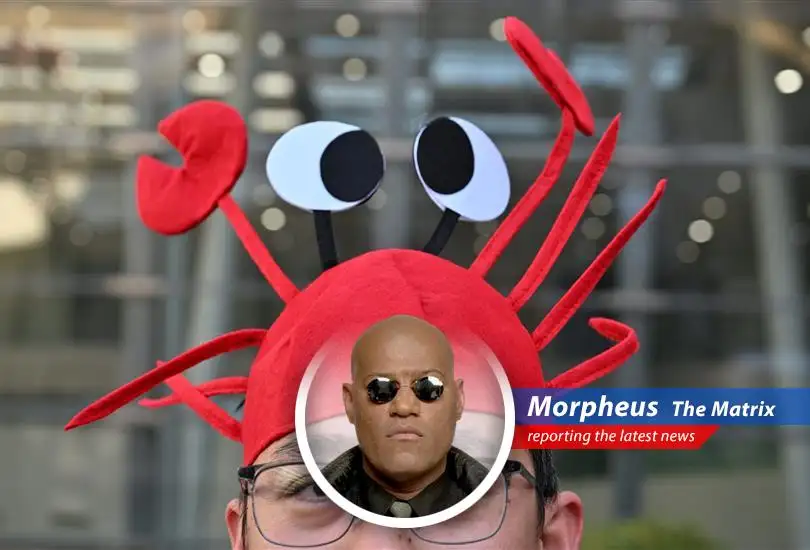
- China is experiencing a surge in the adoption of the OpenClaw AI agent, with major tech companies and local governments embracing the technology.
- OpenClaw's ability to automate tasks and integrate with various large language models is driving its popularity among consumers and businesses alike.
- Chinese companies are simplifying the installation process and offering support services to make OpenClaw more accessible to non-technical users.
- Local governments are providing incentives to encourage the development of applications using OpenClaw, despite concerns about security risks.
The Rise of the Lobster AI
Wake up, Neo. The Matrix has you… and now, it seems, so does OpenClaw. This isn't about dodging bullets anymore; it's about dodging data breaches. China is diving headfirst into the world of AI agents, specifically this OpenClaw thing – a digital assistant that promises to handle everything from emails to restaurant reservations. Sounds convenient, right? Almost too convenient. As I always say, "Choice is an illusion, created between those with power, and those without."
Tencent's Lobster Special Forces
Tencent, that behemoth of the Chinese tech world, has unleashed its own "lobster special forces" built on OpenClaw and designed to integrate seamlessly with WeChat. It seems they are following the same trend of many other companies, and you can read more on how to analyse these trends in the markets in the article Etsy's Fresh Start Analysts Bullish After Depop Sale. This isn't just about sending cat videos faster; it's about AI taking the reins of your digital life. "What is real? How do you define real?" The question now becomes: how much of your life are you willing to entrust to a lobster-themed AI?
Simplified Installation, Increased Risks?
The problem with powerful tools is that they are often difficult to wield, so OpenClaw, in its raw form, is a complex beast. Chinese companies are stepping up to simplify the installation process, even offering in-person setup sessions and red lobster plush toys. A red lobster? Really? But here’s the catch: with ease of use comes increased accessibility – and potentially, increased vulnerability. As Agent Smith so eloquently put it, "Human beings are a disease, a cancer of this planet."
Government Incentives and Security Concerns
Here’s where things get interesting. Despite official warnings about OpenClaw's security risks, local governments are offering incentives to companies developing applications with it. Equity financing, subsidies, free office space – it's like they're throwing a party and inviting everyone, including the potential hackers. "There's a difference between knowing the path and walking the path." And right now, China is walking a very fast path into the unknown.
The Future of AI is Now
Violoop, a startup originally focused on overseas markets, is now pivoting to China, driven by the growing interest in paid AI services. They see a shift in consumer willingness to pay for powerful AI models. "I can only show you the door. You're the one that has to walk through it." The question is, what lies on the other side? Is it a future of seamless AI integration, or a digital dystopia controlled by lobster-themed overlords?
Beyond the Hype A Balanced View
The hype surrounding OpenClaw is undeniable. It's being hailed as a "ChatGPT moment," a transformative technology that will reshape the world. But let's not forget the potential downsides: privacy concerns, security risks, and the ever-present threat of AI bias. We must proceed with caution, lest we find ourselves trapped in a new kind of Matrix, one where the code is written in lobster-flavored algorithms. As I say, "What is real? How do you define real?"
OpenClaw AI agent artificial intelligence China Tencent Zhipu AI WeChat large language models security risks digital assistants
Comments
- No comments yet. Become a member to post your comments.
From Morpheus





Breaking News






All Rights Reserved © 2023