


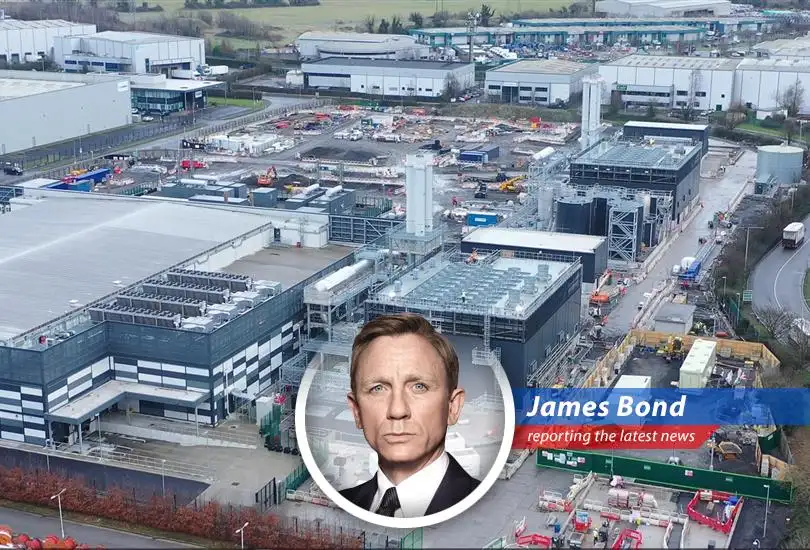
- AI data center boom is creating high-paying jobs for skilled trades, contrasting fears of AI replacing jobs.
- Demand for robotics technicians, HVAC engineers, and automation specialists is skyrocketing, outpacing the labor supply.
- Skills shortage is driving wage increases and creating a 'scarcity premium' for specialized professionals in the AI infrastructure sector.
- Companies are investing in training programs and partnerships to overcome the skills gap and attract new talent to the field.
Shaken, Not Stirred: The AI Revolution's Unsung Heroes
Right, so the world's gone AI mad, hasn't it? Everyone's worried about robots stealing their jobs, but let's be clear: even the most sophisticated AI can't lay a single brick, or wire up a server without a bit of human help. I mean, Q Branch can kit me out with all the gadgets imaginable, but I still need to know how to use them, don't I? Turns out, these colossal AI data centers – the brains of the operation, if you will – don't build themselves. The big boys, Alphabet, Microsoft, Meta, Amazon, they're splashing the cash, billions of it, to erect these digital fortresses. And who do they need? Electricians, technicians, blokes who know their way around a robotic arm.
A License to Build: The Data Center Gold Rush
Seems while everyone's fretting about algorithms taking over, a quieter revolution is happening. Randstad, the recruitment chaps, reckon demand for robotic technicians is up 107% since 2022. Cooling system engineers? Up 67%. Sounds like a jolly good time to be in the trades, wouldn't you say? Sander van't Noordende, the CEO at Randstad, pointed out, "The digital revolution requires a massive physical foundation." Indeed. It's not just about microchips and capital, it's about the specialized talent. It appears that the AI can't build its own data centers. And speaking of AI jumping to the front, you might find our previous analysis interesting, Claude AI Jumps to No 1 After Trump Admin Blockade
The Name's Bond, New-Collar Bond: Bridging the Divide
This is where things get interesting. Mike Mathews from Marsh, a professional services firm, calls these roles "new-collar" jobs. A rather interesting blend of white-collar and blue-collar, all working side-by-side. Imagine that, a network engineer with a degree sharing a pint with a plumber. It's a social experiment as intriguing as defusing a nuclear warhead with a paperclip, wouldn't you agree? They are being valued the same too which is a great step in the right direction.
Nobody Does It Better: The Rising Cost of Expertise
And let's talk money. Randstad's chap, Noordende, mentions a "scarcity premium." Wages for HVAC engineers are up 10-15% in the last four years. Six-figure salaries are becoming rather common, and the top talent, those who transition into high-level data center roles, well, they can see a 25-30% pay bump. Not bad for a day's work, eh? Even Nvidia's CEO, Jensen Huang, predicts "six-figure salaries" for those building these AI factories. "A key factor driving these salaries higher is a shortage of trade workers", Wojtaszek, CEO of Pure Data Centres, told CNBC. Shortages are huge at the moment and it is expected to get worse.
For Your Eyes Only: The Challenges Ahead
Of course, it's not all martinis and gadgets. There are hurdles. An aging workforce, for one. Noordende reckons a quarter of workers globally are nearing retirement. And unlike software developers who can work remotely, these tradesmen need to be on-site. A new data center can drain a local talent pool quicker than I can drain a vodka martini. It also means the company needs to invest in training programs to bridge the skills gap. This skills gap can also lead to cross-industry poaching as there's a lot of overlap in the operational technical skills needed for energy, defense, and tech, according to William Self, chief workforce strategist at global workforce consulting firm Mercer.
The World Is Not Enough: The Hazard Pay Factor
And here's a sobering thought: Mercer's Self raises the issue of "hazard pay." With increasing global instability, facilities could become targets. Amazon Web Services' data centers have already been targeted by drone strikes. It's not just about money; it's about the psychic burden. Compensation packages may need to reflect the risks involved. It's enough to make you order another martini, wouldn't you say? It is a real possibility that the psychic burden for people who are working in facilities that they know very well might be hot targets or bad actors, which could additionally increase the types of compensation packages that we would see to lure this population to these centers, Self mentioned.
AI data centers skilled trades job market skills shortage wage growth infrastructure automation robotics HVAC engineers manufacturing
Comments
- No comments yet. Become a member to post your comments.
From James Bond





Breaking News






All Rights Reserved © 2023