


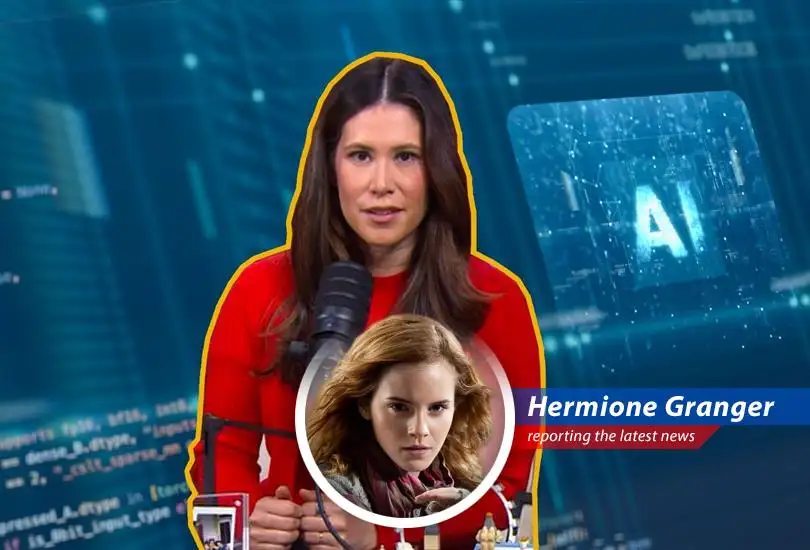
- AI advancements are rapidly transforming industries, impacting stock markets and job security.
- Ethical concerns are mounting as AI companies face pressure to abandon safety measures in pursuit of faster development.
- Political battles are intensifying over AI regulation, with significant financial backing influencing policy debates.
- The window for establishing effective AI safety measures is narrowing, demanding immediate action.
The Rise of the Machines (Assistant Version)
Right, let's get down to business. In the first few months of 2026, we've seen what can only be described as a rather alarming surge in the capabilities of generative AI. We're not just talking about chatbots anymore; these systems are evolving into full-blown executive assistants. Honestly, it's a bit like watching those self-stirring cauldrons go from simple tasks to brewing complex potions on their own. The result. An indiscriminate sell-off across sectors like software, legal, insurance, and even cybersecurity. Apparently, even muggles are feeling the pinch.
Faster Than a Firebolt Safety Takes a Nosedive
Nvidia's CEO, Jensen Huang, has declared that AI is experiencing its third inflection point, with agents now capable of reasoning and performing tasks independently. It sounds impressive, doesn't it? However, the faster AI advances, the quicker those safety nets unravel. Anthropic, initially founded on principles of responsible AI development, was recently blacklisted by the Trump administration after resisting Pentagon demands. The startup has since scrapped its core safety pledge, replacing it with nonbinding targets, citing competitive pressures. Makes you wonder if they've been confunded. It's a bit like Gilderoy Lockhart promising to protect us from dark magic; all talk, no substance. Speaking of dark magic, you should really read AI's Silent Spring Is Upon Us for a darker perspective on this.
From Last Resort to Center Stage The Monetization Potion
Even OpenAI, once adamant about only monetizing as a last resort, is now running ads. It seems the allure of galleons is too strong to resist. What's more unsettling are the resignations of researchers at both companies, each warning of the inherent risks. It reminds me of the cautionary tales in Beedle the Bard; ignoring the warning signs never ends well.
The Political Potion Brews
The tension surrounding AI safety is poised to become a pivotal issue in the 2026 midterms, with one race already signaling how it might unfold. New York State Assemblyman Alex Bores, the author of the first major AI safety law in the country, is now running for Congress. Unsurprisingly, he's become a target for those advocating for looser regulations. Classic power play, really. It's like Umbridge trying to rewrite the rules of Hogwarts to suit her own agenda.
A Super PAC Attack The Money Trail
Bores is facing a staggering $125 million super PAC, backed by figures like OpenAI cofounder Greg Brockman, Andreessen Horowitz, and Palantir's Joe Lonsdale. Their message is clear: regulate AI at your peril. It's a blatant attempt to stifle any form of oversight. As Bores himself noted, they want to make an example of him to deter others from regulating AI. It seems some people haven't learned that 'it does not do to dwell on dreams and forget to live.'
Time-Turner Needed Urgency Required
Bores rightly points out that time is running out. We need to act swiftly and decisively to implement meaningful safeguards. This isn't just about technological progress; it's about ethical responsibility and ensuring that AI serves humanity, not the other way around. We must remember, as Dumbledore wisely said, 'It takes a great deal of bravery to stand up to our enemies, but just as much to stand up to our friends.' We need bravery now more than ever to navigate this complex landscape.
Artificial intelligence AI safety AI regulation generative AI Anthropic OpenAI Alex Bores political influence technology ethics AI risks
Comments
From Hermione Granger





Breaking News






All Rights Reserved © 2023
vicky9865
Bores is right. We're running out of time to put safeguards in place.