


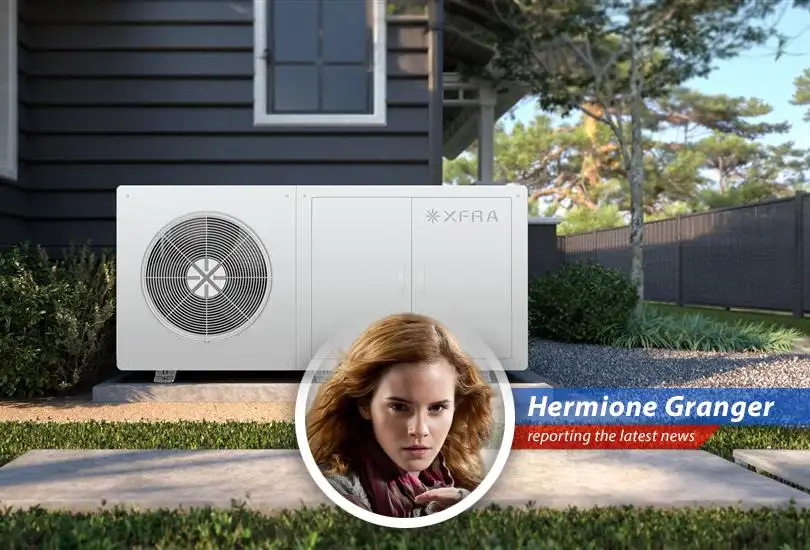
- Span and Nvidia are pioneering small, fractional data centers (XFRA units) for residential homes.
- These XFRA units leverage unused electrical capacity, addressing the growing energy demands of AI.
- Homeowners could receive compensation for hosting XFRA nodes, offsetting energy and internet costs.
- PulteGroup is testing Span's systems in new home communities, signaling potential large-scale adoption.
A Very Brave New World of Home Data
Honestly, sometimes I feel like I'm back in the Room of Requirement – things are constantly changing and adapting. But instead of conjuring a comfy armchair, we're apparently conjuring miniature data centers on the sides of our houses. A California-based startup called Span, in collaboration with Nvidia, is proposing exactly that. The idea is to install these XFRA units – think small, white boxes humming with AI power – on residential homes. It's all rather… unexpected, even for someone who's seen a Hippogriff take flight.
Harnessing the Untapped Power Grids
The rationale behind this venture is rather clever. With the relentless rise of artificial intelligence, local power grids are feeling the strain, and energy bills are creeping up faster than you can say 'Accio Galleons'. Span's smart panels can identify unused electrical capacity on local grids and redirect it to these XFRA units. It's like finding a secret passage to unlimited energy – a concept I find extremely appealing. But here is the interesting part, considering reading Microsoft's AI Bet Pays Off Azure Cloud Fuels Growth, is how this can impact the way other big technology players will be looking into this technological advances.
A Networked Data Fortress
According to Span, a network of these interconnected nodes can replicate the capabilities of a small to mid-sized traditional data center. This would augment existing centers or, potentially, eliminate the need to build new ones. Imagine, instead of vast, energy-guzzling facilities, we have a decentralized network powered by… suburban homes. It's a rather radical thought. It makes me wonder if we could power Hogwarts with a similar system. Perhaps we could finally ditch those pesky portraits that keep complaining about the drafts.
Nvidia's Magical Touch
Nvidia is bringing its technological prowess to the table with liquid-cooled RTX PRO 6000 Blackwell Server Edition GPUs. These marvels don't require fans, meaning the XFRA units operate silently. No more noisy neighbours complaining about the hum of your personal data center. As Marc Spieler from Nvidia stated, leveraging existing locations with access to power makes a lot of sense, adding to the affordability of AI solutions. I suspect even Ron would appreciate the cost savings.
Compensation for Hosting Data
Here's where it gets interesting for the average homeowner. If you host an XFRA node, you'll receive compensation for energy and internet usage. Arch Rao, CEO of Span, anticipates heavily discounted energy and internet costs for participating households. It's almost like getting paid to have the internet – a concept that would certainly appeal to even the most tech-averse wizards and witches. Although, I suspect Arthur Weasley would be more interested in tinkering with the technology than saving money.
The Future of Housing
PulteGroup, one of the largest homebuilders in the nation, is already testing Span's systems in newly built homes. They recognize the potential for homeowners to access innovative technology and generate income, which can offset monthly energy costs. If the technology proves successful, it could also prevent local infrastructure from becoming overburdened. This could leave land open for other uses, such as, well, building more homes. It seems that even the Muggle world is starting to realize the importance of resourcefulness and innovative solutions. Perhaps they're finally catching on to the magic of efficiency.
Comments
- No comments yet. Become a member to post your comments.
From Hermione Granger





Breaking News






All Rights Reserved © 2023