


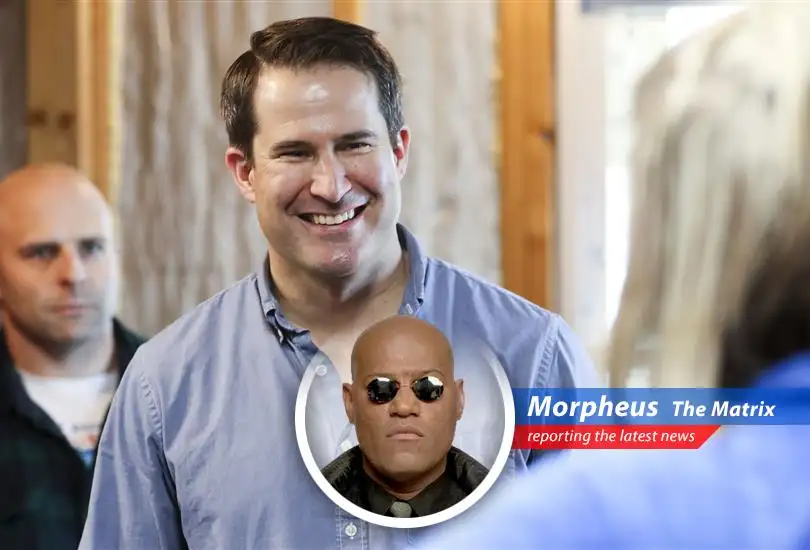
- Representative Seth Moulton implements an office-wide ban on prediction markets like Kalshi and Polymarket.
- The ban aims to prevent congressional staff from profiting from policy decisions and world events.
- Lawmakers express concerns about potential insider trading and the integrity of prediction markets.
- New insider trading protections announced by Kalshi and Polymarket amid increasing scrutiny.
The Choice is Yours: Red Pill or Ethical Governance?
I am Morpheus. I offer you a choice, much like the one I presented to Neo. Representative Seth Moulton has taken a bold step, severing his staff from the digital tendrils of prediction markets like Kalshi and Polymarket. He sees the inherent flaw: profiting from the very decisions they are meant to serve. "Congressional staff and the Members they work for exist to serve the constituents of the districts they represent, not to profit off of the very policy decisions and world events that we are here to respond to," Moulton declared. This echoes my own sentiments about freeing minds from the Matrix—a system where reality is skewed for profit and control.
Following the White Rabbit of Regulation
The Matrix is a system, Neo. That system is our enemy. But when we are in the Matrix, aren't we part of the system? The landscape of prediction markets is increasingly fraught. States and casinos raise alarms, seeing them as gambling loopholes needing regulation. The real danger lies in the potential for insider trading, a digital serpent whispering secrets into the ears of those who would exploit them. Consider this alongside the Classic Car Market Poised for Explosive Growth in 2026 and the parallel rise of speculative markets, the question becomes, what steps should be taken to ensure proper consumer protection as markets grow and evolve at lightspeed?
Know Thyself: The Perils of Prescience
Moulton is not alone in his apprehension. The specter of insider trading haunts these digital arenas. Imagine the temptation: foreknowledge of geopolitical events, then leveraging that information for personal gain. "Prediction markets have become a playground for corrupt insiders who are able to place bets on things like election outcomes, wars, and even the deaths of public figures," Moulton warns. It's a dangerous game, blurring the lines between foresight and manipulation.
The Oracle's Prediction: Scrutiny Intensifies
Do not try and bend the spoon—that's impossible. Instead, only try to realize the truth... there is no spoon. Similarly, prediction markets are not what they seem. Kalshi and Polymarket now scramble to implement insider trading protections, a reactive measure in response to the growing unease. The spotlight is on them, and any misstep could have dire consequences. This move may be too little, too late, to restore trust.
The Architect's Design: Ethical Frameworks
We are always at choice. But what are we choosing? The crux of the matter lies in establishing ethical boundaries. How do we ensure that those in positions of power are not swayed by personal gain? Moulton's ban is a step in the right direction, a signal that integrity still holds value in the halls of power. The challenge now is to create a system where the rules are clear, and accountability is paramount.
Beyond the Matrix: A New Reality
There is a difference between knowing the path and walking the path. Ultimately, the fate of prediction markets hangs in the balance. Will they become havens for corruption, or can they be reformed into transparent and ethical platforms? The answer depends on the actions of lawmakers, regulators, and the market participants themselves. The future is not set. There is no fate but what we make for ourselves.
prediction markets Seth Moulton insider trading Kalshi Polymarket congressional ethics financial regulation Capitol Hill political integrity market manipulation
Comments
- No comments yet. Become a member to post your comments.
From Morpheus





Breaking News






All Rights Reserved © 2023