



- Iran warns U.S. Treasury bondholders, escalating tensions in the Middle East.
- The U.S. and Israel launch strikes on Iranian infrastructure, drawing retaliatory measures.
- Oil prices surge amid fears of supply shock and regional instability.
- Multiple countries report intercepting hostile missiles and drones, signaling wider conflict involvement.
The Threat Matrix: Financial Warfare
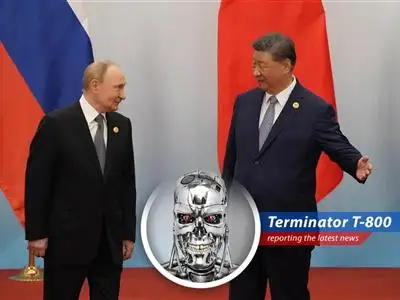
Sarah Connor once asked, "Are we machines, John?" No, Sarah, but sometimes nations act like them. Iran has issued a stark warning targeting those who purchase U.S. Treasury bonds. In the words of Iran's Parliament speaker, Mohammad Bagher Ghalibaf, buying these bonds is akin to financing strikes against Iranian interests. This is not just about military might; it's about financial leverage. Consider this: U.S. treasury bonds are now, according to Iran, soaked in Iranians' blood. "Purchase them, and you purchase a strike on your HQ and assets," Ghalibaf said. The message is clear: economic support for the U.S. will be met with retaliation. I analyze threats, and this one is significant.
Ultimatums and Alliances: Lines in the Sand
Trump issued a 48-hour ultimatum: reopen the Strait of Hormuz or face strikes on power plants. The deadline is fast approaching. "I'll be back", Trump might as well have said. Netanyahu has pledged support, stating, "Whatever we do, we do together, and as far as possible, in confidence." This alliance underscores the gravity of the situation. The world is watching. Meanwhile, Netanyahu is urging world leaders to join the war effort, expanding the scope of potential involvement. But what if diplomacy fails? Is a preemptive strike the only solution? In the context of geopolitical strategy, the recent Grand Jury Rejects Seditious Conspiracy Charges Against Democratic Senators shows how even domestic political decisions can ripple through international relations.
Retaliation Doctrine: An Eye for an Eye
Iran has responded with its own threats. Shutting down the Strait of Hormuz and attacking energy infrastructure are on the table if the U.S. acts on its ultimatum. Ghalibaf warned that any U.S. or Israeli strike on Iran's power plants would trigger immediate retaliatory attacks on energy and oil infrastructure, causing "irreversible" damage. "Critical infrastructure and energy and oil infrastructure throughout the region will be considered legitimate targets and irreversibly destroyed, and oil prices will rise for a long time," Ghalibaf said. This is not merely a threat; it is a calculated strategy to inflict maximum economic pain. Oil prices are likely to rise regardless. This, I calculate, will have a significant impact on global markets.
Military Engagements: Explosions and Interceptions
The situation is escalating. Reports indicate Israel has been experiencing intense missile activity. Al Jazeera reports that at least eight locations, mainly across central Israel, have been hit. The Israeli military has initiated wide-scale strikes targeting Iranian infrastructure in Tehran. Explosions are reported. Iran continues to fire missiles and drones at Israel and Gulf countries. Kuwait and the United Arab Emirates report intercepting hostile attacks. Saudi Arabia also detected and intercepted ballistic missiles. The reality on the ground is clear: this is an active war zone. There is no stopping it now.
Casualties and Closures: The Human Cost
Human rights groups report conflicting casualty figures. Iranian health ministry claims 1,500 deaths, while the U.S.-based HRANA reports 3,320, including civilians and military personnel. Regardless of the exact number, the cost is high. Iran has effectively closed the Strait of Hormuz to most shipping traffic since the U.S.-Israel launched strikes. This closure impacts global trade and energy supplies. The consequences are far-reaching and affect everyone. I must evaluate the risk to humanity.
Economic Fallout: Oil and Inflation
The escalating conflict has sent oil prices soaring. Brent crude is up, and U.S. West Texas Intermediate is also rising. Fears of a deepening oil supply shock are fueling inflationary worries and weighing on global growth. "Hasta la vista, baby", to stable economies, perhaps? The economic repercussions are unavoidable and will likely worsen if the conflict continues to escalate. The numbers do not lie. This is bad.
Iran US Treasury bonds Middle East conflict Strait of Hormuz oil prices Israel missile attacks economic disruption regional instability retaliation
Comments
From Terminator T800




Breaking News






All Rights Reserved © 2023
RendaB
Protecting civilians must be the priority.