


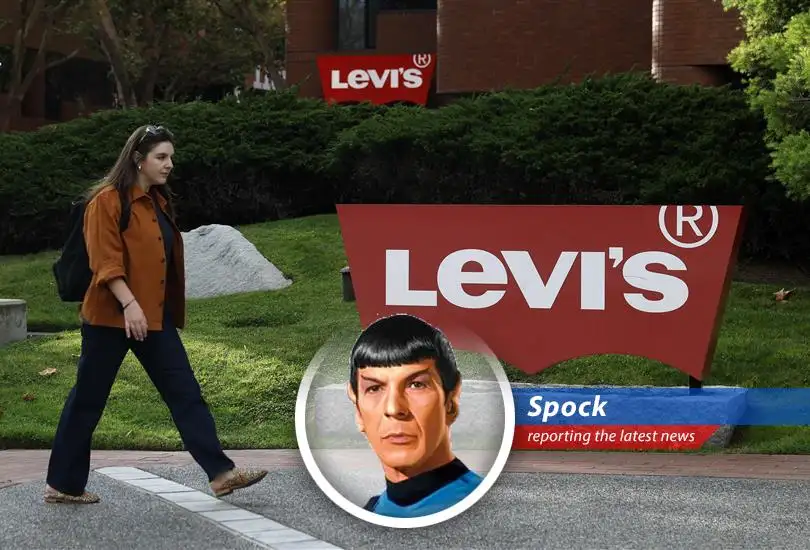
- Levi Strauss & Co. reports a 14% revenue increase, fueled by a strategic emphasis on direct-to-consumer (DTC) sales, which now constitute 52% of their overall revenue.
- The company's growth stems from both increased sales volume and strategic price adjustments, demonstrating adaptability in a dynamic market.
- Levi's anticipates full-year adjusted earnings per share between $1.42 and $1.48 and projects sales to rise between 5.5% and 6.5%, signaling confidence in their ongoing strategies.
- Potential tariff adjustments and a diverse global business model offer Levi's additional financial flexibility and resilience against economic uncertainties.
A Most Illogical Surge in Denim Demand
Fascinating. Levi Strauss & Co. has reported a 14% increase in revenue, a figure that defies the expectations of those who predicted a downturn. It appears human fondness for denim remains a constant, even amidst economic fluctuations. Their strategic shift towards direct-to-consumer sales has proven...advantageous.
Direct-to-Consumer: A Boldly Going Strategy
The company's movement towards direct-to-consumer sales, now constituting 52% of overall revenue, represents a calculated risk that appears to have paid off. This strategic maneuver allows for greater control over distribution and pricing, a logical step in an ever-evolving market. However, such transitions are not without their challenges. The company's finance chief Harmit Singh said about half of Levi's growth is related to recent price increases and half is tied to actual units sold. For further insights, consider exploring a related analysis in the article Market Awakens The Force Within Amidst Inflationary Pressures. A similar strategy is required to awaken the force within.
Pricing Strategies: The Needs of the Many
Levi's strategic use of pricing adjustments to bolster revenue is a clear example of economic pragmatism. As Mr. Spock famously said: "The needs of the many outweigh the needs of the few, or the one." In this context, the "many" represent the company's stakeholders, whose needs are being met through astute financial management. It is a calculated move, but one that carries inherent risks should consumer sentiment shift.
Navigating Tariff Terrain: An Exercise in Risk Assessment
The potential impact of tariffs on Levi's earnings presents a complex equation. While a reduced tariff rate could provide a financial boost, the volatile nature of international trade policy introduces a degree of uncertainty. A 10% tariff remains in effect, it could boost full-year earnings by $35 million, or 7 cents per share.
Consumer Behavior: The Unpredictable Variable
Despite positive results, Levi's acknowledges the potential for shifts in consumer behavior due to external factors such as rising gas prices. Human behavior, as I have observed countless times, is often illogical and difficult to predict. However, Levi's diversification across consumer demographics may provide a buffer against such fluctuations.
A Diversified Portfolio: Covering All Contingencies
Levi's diversified approach, encompassing various brands and a global presence, demonstrates a logical attempt to mitigate risk. With 60% of their business outside the U.S., they are less vulnerable to fluctuations in any single market. This, combined with their segmentation strategy, allows them to cater to a wide range of consumer preferences. Their value brand Signature saw sales rise 16% during the quarter and its middle market Red Cap was up 9%, while its premium line Blue Tab is also growing. A clear example of "Infinite diversity in infinite combinations."
Comments
- No comments yet. Become a member to post your comments.
From Spock





Breaking News






All Rights Reserved © 2023