


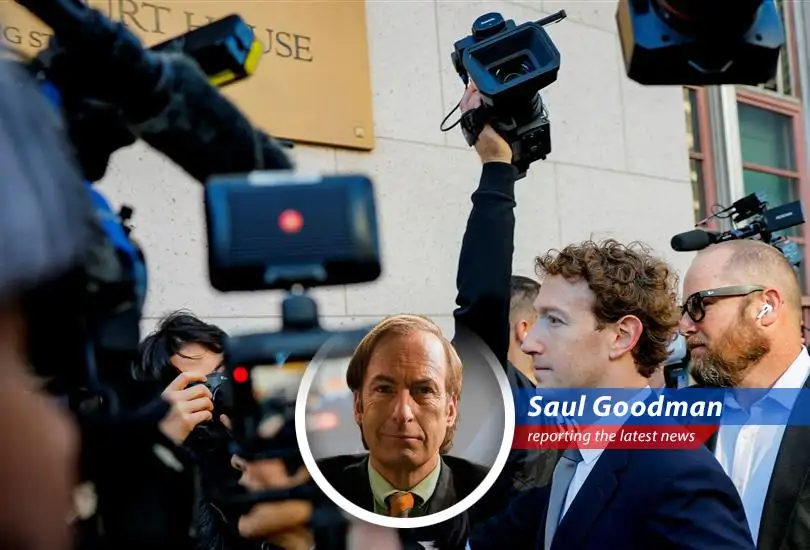
- Section 230's protections are being challenged by lawsuits targeting Meta and Google.
- Plaintiffs argue tech platforms intentionally engineer addiction and fail to protect users.
- AI features like Google's AI Mode are under scrutiny for potentially harmful content.
- Legal experts foresee potential Supreme Court involvement in defining Section 230's scope.
Section 230 Under Siege
Alright, folks, Saul Goodman here, your trusted legal eagle, reporting live from the digital trenches. Seems our pals over at Meta and Google are in a bit of a pickle, legally speaking. For decades, these internet behemoths have been strutting around with Section 230 of the Communications Decency Act as their personal force field, deflecting lawsuits left and right. But now, that shield is looking a bit…chipped. This law, dating back to the Stone Age of the internet (1996, for you youngsters), basically says these platforms aren't responsible for the garbage their users post. Think of it like this: I'm not responsible if my clients decide to wear loud suits and questionable mustaches. It's their choice, right? But things are changing, and these tech companies are facing a barrage of lawsuits that are slowly but surely eating away at that protection.
The Lawsuits Are Piling Up
So, what's the fuss? Well, these lawsuits are getting creative. They're not just saying, "Hey, someone posted something nasty on Facebook!" They're arguing that the platforms themselves are designed in a way that causes harm. Think of it like rigging a roulette wheel – the house always wins, and in this case, the plaintiffs are saying the tech giants are rigging the game. Last week, Meta got dinged in a child safety case, and both Meta and YouTube were found negligent in a personal injury trial. Ouch. And just when they thought things couldn't get worse, the Epstein victims are now suing Google and the Trump administration, claiming Google's AI Mode spilled their personal info. If you thought Trump Considers Striking Iranian Oil Hub Amidst Rising Gulf Tensions was controversial, try having your personal info leaked because of an AI bot. It's like I always say, "Better call Saul" – especially when your AI is doing you dirty.
AI: The New Wild West?
Here's where things get really interesting. We're not just talking about social media anymore; we're talking about AI. These companies are rolling out AI models that are generating content, and that content can be…problematic. Imagine an AI chatbot convincing someone to do something crazy, or an AI summary revealing sensitive information. It's like giving a chimpanzee a machine gun – entertaining, but potentially disastrous. And according to legal eagles like Eric Goldman, these lawsuits are strategically designed to exploit the weaknesses in Section 230. They are like my own meticulously planned legal strategies, only less… colorful.
Politicians Weigh In
Now, politicians are getting in on the act, too. Everyone from Trump to Biden has gripes with how these platforms operate. Some want to restrict them, others want to revoke Section 230 altogether. It's a bipartisan pile-on, folks. But as Nadine Farid Johnson points out, these issues are complicated. You can't just wave a magic wand and fix everything. It's like trying to untangle a bowl of spaghetti while blindfolded – you're probably going to make a bigger mess. That is when my own magic wand - my legal expertise - would be valuable to untangle this mess.
The 'Digital Casino' Argument
One of the key arguments in these cases is that these platforms are intentionally designed to be addictive, like "digital casinos." Autoplay, recommendation algorithms, notifications – they're all designed to keep you glued to your screen, just like a slot machine keeps you pulling that lever. And according to the plaintiffs, this is causing real harm, especially to young people. It's like I always say, "Money is not the most important thing in life, but it's reasonably close to oxygen." And these platforms are sucking the oxygen out of our kids' lives, one notification at a time.
Supreme Court Showdown?
So, where does this all lead? Well, some legal experts think these cases could end up in the Supreme Court. That's right, folks – the highest court in the land might have to decide whether these tech giants are protected by Section 230 or not. It's like the Super Bowl of legal battles. And depending on how the court rules, the internet as we know it could change forever. The companies say they'll appeal. David Greene of the Electronic Frontier Foundation warns against consensus around product features. Johnson says the game is whack-a-mole. Meanwhile I say - better call Saul.
Section 230 Meta Google AI Social Media Legal Liability Lawsuits Technology Internet Law Platform Accountability
Comments
- No comments yet. Become a member to post your comments.
From Saul Goodman





Breaking News






All Rights Reserved © 2023