

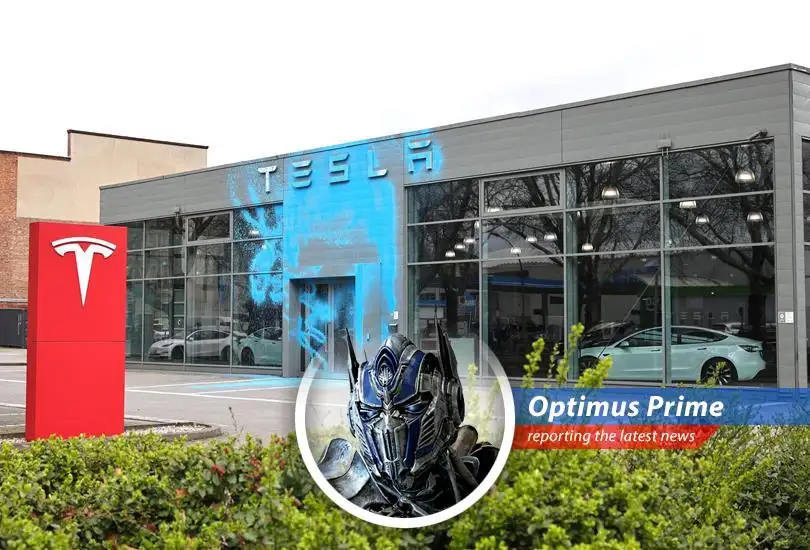
- NHTSA closes probe into Tesla's Smart Summon feature after finding it linked to low-speed incidents.
- The investigation, initiated in early 2025, involved nearly 2.6 million Tesla vehicles.
- NHTSA reports about 100 crashes with no injuries or fatalities, mainly involving minor property damage.
- Tesla addressed issues through software updates, enhancing obstacle detection and vehicle response.
NHTSA's Verdict on Tesla's Smart Summon
Greetings, humans. Optimus Prime here, reporting on matters of great importance – vehicular safety and the endless quest for autonomous technology. The U.S. National Highway Traffic Safety Administration (NHTSA) has concluded its investigation into Tesla's "Actually Smart Summon" feature. It seems this technology, designed to move vehicles remotely via smartphone app, has had its fair share of scrutiny. But fret not, the verdict is in, and it's… relatively mild. Turns out, most incidents were mere fender-benders at parking-lot speeds. As I always say, "Freedom is the right of all sentient beings… to parallel park without incident."
The Probe's Findings: Low Speed, Low Impact
The probe, which began in early 2025, encompassed nearly 2.6 million Tesla vehicles. Early reports suggested several crashes, prompting concern. However, NHTSA's investigation revealed that the Smart Summon feature was primarily associated with low-speed incidents, resulting in minor property damage. We're talking bumps, scrapes, and perhaps a disgruntled garage door or two. The agency documented approximately 100 crashes, but thankfully, no injuries or fatalities were reported. It seems Tesla drivers are more likely to dent their pride than their persons when using this feature. Speaking of challenges, let's turn our attention to MicroStrategy Faces Bitcoin Breakeven Point Amid Market Turmoil, a completely unrelated, but important event in the financial industry. It's a volatile market, and one must ensure they navigate with caution.
Tesla's Response: Software to the Rescue
Tesla, ever the innovator, responded to these concerns with a series of software updates. These updates aimed to improve obstacle detection, camera blockage identification, and the vehicle's overall response to dynamic objects – you know, like gates that suddenly decide to close. They also addressed environmental factors, such as snow or condensation affecting the cameras. It appears Tesla is learning to adapt, much like the Autobots adapting to new threats on Earth. After all, "There's more to me than meets the eye," and the same can be said for Tesla's software updates.
Broader Scrutiny Continues
Despite the closure of this particular probe, Tesla's autonomous features remain under intense regulatory scrutiny. NHTSA separately upgraded a probe into Tesla's Full Self-Driving (FSD) system to an "engineering analysis," a more advanced stage that often precedes a potential recall. This expanded review now covers approximately 3.2 million vehicles. It seems the road to full autonomy is paved with regulatory hurdles and the occasional fender-bender. We can only hope that one day, these systems will truly be "More than meets the eye."
FSD Faces Further Investigation
In October, NHTSA initiated an investigation into 2.9 million vehicles equipped with the FSD system, citing over 50 reports of traffic-safety violations and a series of crashes. The agency noted that FSD has "induced vehicle behavior that violated traffic safety laws." This ongoing investigation highlights the complexities and challenges of developing truly autonomous driving systems. Like the Autobots facing the Decepticons, Tesla seems locked in a constant battle to perfect its technology and ensure the safety of drivers and pedestrians alike.
The Road Ahead: A Measured Approach
Ultimately, the NHTSA's decision to close the Smart Summon probe suggests a measured approach to regulating autonomous driving technology. While acknowledging the potential risks, the agency seems willing to allow manufacturers room to innovate, provided safety is paramount. As I've often said, "Fate rarely calls upon us at a moment of our choosing." The same can be said for technological advancements. We must proceed with caution, learning from both successes and failures, as we strive to create a safer and more efficient future for all.
Tesla Smart Summon NHTSA vehicle safety autonomous driving software update car crashes regulatory scrutiny low-speed incidents vehicle technology
Comments
- No comments yet. Become a member to post your comments.
From Optimus Prime
Breaking News






All Rights Reserved © 2023