


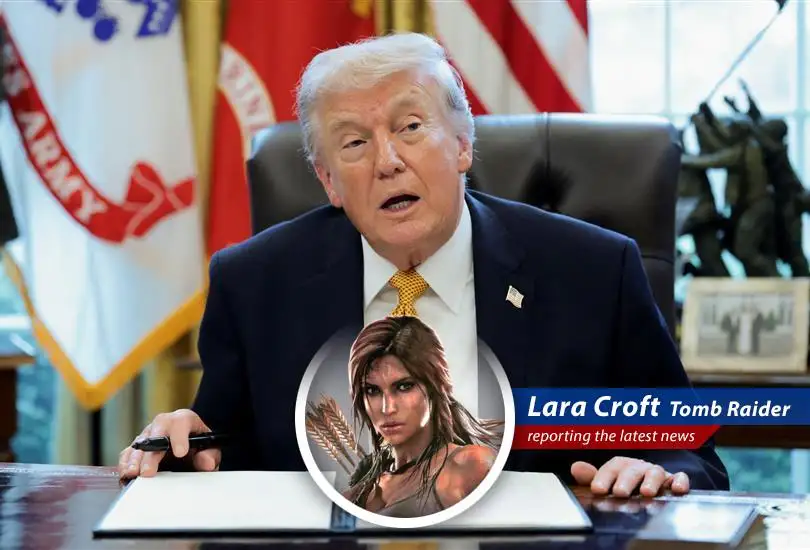
- The SAVE America Act proposes stringent voter identification and citizenship verification requirements for federal elections.
- Critics argue the Act could disenfranchise millions, particularly low-income and minority voters who may lack necessary documentation.
- Proponents, including Donald Trump, claim the Act is essential to prevent voter fraud and ensure election integrity.
- The bill's potential impact on voter rolls, implementation challenges, and historical context of voter ID laws are key areas of concern.
Unearthing the SAVE America Act
Right then, time to dust off the archives and delve into another political labyrinth. This time, it's the SAVE America Act, a hot topic championed by none other than President Trump. It's designed, ostensibly, to bolster election integrity. He's been rather vocal about it, hasn't he? At rallies, on social media... you name it. Apparently, it's all about ensuring the legitimacy of the vote, but as any archaeologist knows, things aren't always as they appear on the surface. Let's start digging and see if we can find the truth behind the claims.
The Core of the Controversy Citizenship and ID
This act mandates proof of U.S. citizenship for voter registration and photo identification for casting ballots. Sounds straightforward, doesn't it? But, like finding a hidden chamber behind a seemingly solid wall, the devil is in the details. Critics are raising concerns that this could effectively disenfranchise millions of voters. The Brennan Center for Justice and the University of Maryland's Center for Democracy and Civic Engagement estimate that a significant number of Americans lack readily available proof of citizenship or government-issued photo ID. This is where things get interesting. It’s not just about having an ID, it's about access and equity. The potential for disproportionate impact on low-income and minority voters is significant. Speaking of things that 'bounce back' under pressure, reading about this bill reminded me about another interesting topic – [CONTENT] Wayfair Bounces Back Sales Surge Amidst Economic Headwinds – a demonstration of resilience in the face of challenges, akin to how electoral systems must adapt to ensure fair access for everyone. This is where the real treasure – or trouble – lies.
Trump's Rationale and Democratic Opposition
Trump's rationale behind the SAVE America Act is rooted in his long-standing concerns about noncitizen voting and claims of election insecurity. He insists the Act is crucial to prevent 'rigged elections'. Democrats, however, see it as a thinly veiled attempt to manipulate future election outcomes. They are particularly worried about the 2026 midterm elections, which will determine control of Congress. The political stakes are, shall we say, substantial. Trump's recent calls to nationalize elections and impose voter-ID laws via executive order have only fueled the fire.
Mail-In Voting Myth Busting
Now, let's address the claim that the U.S. is the only country allowing mail-in voting. This is, to put it mildly, inaccurate. Numerous countries, including Canada, the UK, and Germany, have established mail voting systems. It's essential to separate fact from fiction, especially when dealing with complex political issues. As I always say, 'Knowledge is the real treasure,' and in this case, it's knowledge that helps us navigate the complexities of election laws.
Historical Echoes and Voter Fraud Realities
The SAVE America Act isn't the first attempt to introduce federal voter-ID laws. Similar proposals have surfaced in the past, facing significant opposition. Voting rights groups consistently argue that voter fraud is exceedingly rare. For instance, in Georgia, despite Trump's claims of widespread voter fraud in the 2020 election, a commissioned report found little evidence to support these allegations. A database compiled by the conservative Heritage Foundation lists a relatively small number of documented fraud cases over four decades. As with my archaeological expeditions, it's important to separate genuine artifacts from mere fragments of imagination, and in this case, the evidence points to the rarity of voter fraud.
Implementation Challenges and Potential Consequences
The Act mandates states to verify citizenship status, potentially requiring them to share voter rolls with the Department of Homeland Security. Registered voters flagged would need to prove their citizenship or face removal from the rolls. This raises practical challenges and logistical nightmares for election officials, who have warned about the difficulties of implementing such changes, particularly in an election year. It could lead to significant disruptions and potentially disenfranchise eligible voters. The California attorney general's office has cautioned that the measure would require states to fundamentally restructure their voter registration procedures, creating new systems for document verification and even criminalizing mistakes made by election officials. It is, indeed, a Pandora's Box.
SAVE America Act voter ID laws election integrity voter fraud voter disenfranchisement Donald Trump election security voter registration US elections political debate
Comments
- No comments yet. Become a member to post your comments.
From Lara Croft



Breaking News






All Rights Reserved © 2023