


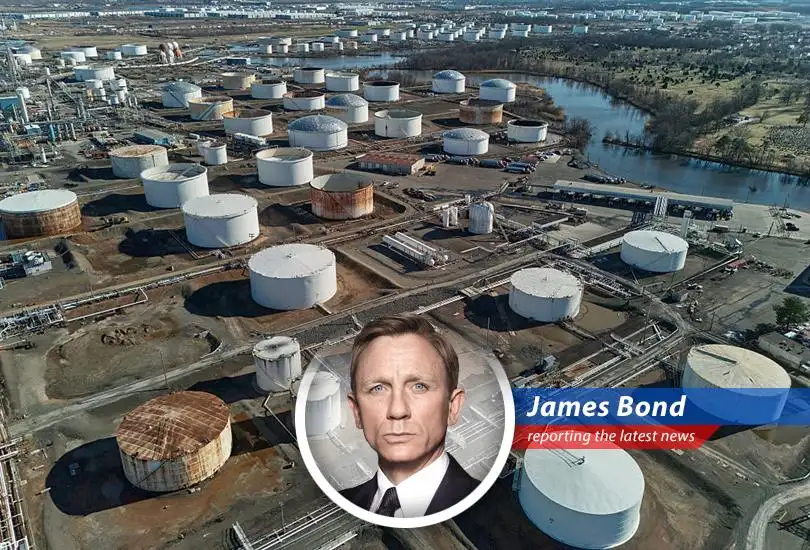
- Oil prices reach a three-year high due to geopolitical tensions in the Middle East.
- President Trump's attempts to negotiate with Iran have failed to ease market anxieties.
- Shipping disruptions in the Strait of Hormuz exacerbate supply concerns.
- Analysts warn of a shift from a "buffered to fragile" global oil market amid supply losses.
Shaken, Not Stirred: Oil Market Turmoil
The situation is heating up faster than a shaken martini, darling. Oil prices have surged to levels unseen in over three years, a tempest brewed by the volatile Strait of Hormuz and political posturing more complex than a Bond villain's plot. U.S. crude closed at $99.64 per barrel, while Brent soared to $112.57. These are figures that could make even Goldfinger sweat. It appears someone has been tampering with the global fuel supply and now the world risks entering a state of emergency due to these disruptions and we are not yet sure if we will have another day.
Trump's Gambit: A Risky Hand
Trump's attempt to play peacemaker with Iran, offering a 10-day extension for negotiations, reminds me of a high-stakes poker game. He's betting that charm and a temporary pause on attacks will soothe the market's nerves. However, the market fears, just like Bond villain's egos, are not so easily calmed. His social media declarations of successful talks ring hollow when container vessels are being turned away from the Strait. Is it peace, or simply a clever distraction? One thing is clear, there is no clear winner here, and the people will surely pay for this with their financial wellbeing. For more insights, see Reverse Recruiting The New Job Search Frontier or Fools Gold.
COSCO's Close Call: A Canary in the Coal Mine
The attempted passage of COSCO vessels through the Strait of Hormuz is a telling sign. Like a canary in a coal mine, it indicates the precariousness of the situation. China's alliance with Iran adds another layer of complexity to this game. The world is watching, wondering if this is an isolated incident or the beginning of a larger disruption. Either way, it's a gamble with potentially explosive consequences. One thing is for sure; if this is not contained it will spread faster than corona virus. There is a lot to be concerned about.
A Fragile State: The Market's Breaking Point
Paola Rodriguez-Masiu of Rystad Energy hits the nail on the head. The oil market has moved from "buffered to fragile." Weeks of supply losses have depleted reserves, leaving little room for error. The disruption in the Strait of Hormuz has already cost nearly 17.8 million barrels per day. That's enough to make even Q reach for his emergency supplies. The world needs to act now to avoid further catastrophical implications in the prices of oil and energy in general.
Hormuz: A Chokepoint of Global Significance
The Strait of Hormuz, a narrow passage with far-reaching implications. Nearly 17.8 million barrels per day of oil and fuel traverse this waterway. Disruption here isn't just a regional concern; it's a global crisis waiting to happen. My sources say this event has already cost the world close to 500 million barrels. The implications could be catastrophic, and it is important that the whole world understands that and acts accordingly.
007's Orders: Vigilance and Preparedness
The situation in the Strait of Hormuz remains fluid, much like a well-made Vesper Martini. As always, vigilance is key. The world must be prepared for any eventuality, from diplomatic resolutions to more… forceful interventions. After all, nobody does it better than a world united. This situation has the potential to turn into a full-blown economical crisis.
oil prices Strait of Hormuz Iran Donald Trump energy market supply disruption geopolitical tensions Brent crude Rystad Energy China Ocean Shipping Company
Comments
From James Bond





Breaking News






All Rights Reserved © 2023
webwk
The world needs to find alternative energy sources quickly.
Resentful
This situation reminds me of the oil crisis in the 1970s.