


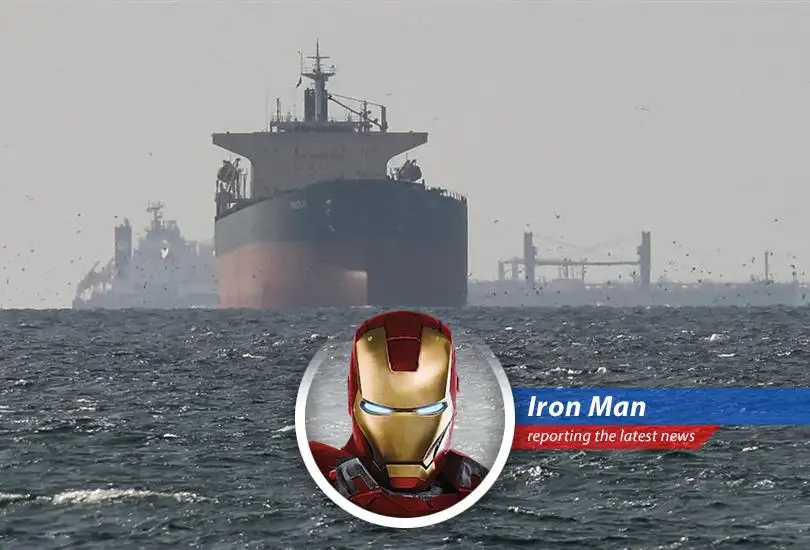
- The Strait of Hormuz shutdown threatens global supply chains impacting industries from aluminum to agriculture.
- Rising input costs for automotive aerospace and construction manufacturing sectors are anticipated due to aluminum supply disruptions.
- Fertilizer shortages could lead to increased food inflation affecting planting seasons and consumer prices.
- Potential rerouting of vessels may cause port congestion and extended delivery times impacting retail and consumer goods.
The Calm Before the Storm...Of Supply Chains
Alright, people, Stark here. Seems like things are heating up faster than my repulsor rays, and not in a good way. This whole Strait of Hormuz situation? It's not just about oil prices anymore. We're talking aluminum, fertilizer, the stuff that makes your cars, your food, and heck, even my suits possible. And when that gets pinched, everyone feels it.
Aluminum Shortages The New Palladium Crisis
Aluminum, that shiny stuff that keeps my arc reactor humming? Apparently, it's a big deal for everyone else too. The Middle East supplies a hefty chunk of the world's aluminum, and with tensions rising, prices are already climbing faster than I can upgrade my armor. According to Matt Meenan from the Aluminum Association, concerns are growing and that's putting it lightly. Disruption in aluminum supplies will inevitably lead to increased input costs for automotive aerospace and construction manufacturing in the U.S. and Europe. Speaking of pressure, if you want to learn more about the challenges tech giants are facing read the Data Centers Under Pressure Tech Giants Face Power Pledge article. So brace yourselves because your next car or building might cost more than a weekend in Monaco.
Fertilizer Fiasco Food Prices About to Skyrocket
If you think higher gas prices are bad, wait until you see what's about to happen at the grocery store. About one-third of global fertilizer trade goes through the Strait. If those shipments get blocked, we're looking at major food inflation and potentially empty shelves. Darrell Fletcher from Bannockburn Global Forex says the timing is terrible, especially for planting season. So, yeah, enjoy your relatively cheap avocado toast while it lasts.
Rerouting Realities Shipping Delays and Port Chaos
So, ships are getting rerouted to avoid the trouble. Sounds simple enough, right? Wrong. Craig Geskey at Traffix warns that this can quickly lead to inland port disruptions. We're talking about congested terminals, truck shortages, and delays that can stretch from days to weeks. And guess who ends up paying for all that? You, the consumer. Always remember: I am trying to do my part and make things better and more efficient but I cannot always control the global economy. I am just trying to live my best life.
Retail Woes Inflation Hits Your Wallet
Nishith Rastogi, CEO of Locus, spells it out pretty clearly retailers are facing higher logistics costs and potential inventory delays. That means higher prices on everything from groceries to imported goods. Shipping reroutes can add days to delivery times and increase costs by up to 20%. Retailers can try to improve efficiency, but ultimately, "unmanaged rerouting hits both reliability and wallets."
The Iran Factor A Balancing Act of Risk and Reward
Here's the kicker even Iran has a reason to keep some trade flowing. As David Roche from Quantum Strategy points out, they need oil exports to keep their economy afloat. So, there's some incentive to avoid a complete shutdown of the Strait. But the risk is still there, especially for industries like clothing, which rely on petrochemicals shipped through the Strait to make synthetic fabrics. Moody's and Usha Haley from Wichita State University both emphasize that shortages and backlogs are likely leading to raised prices on automotive components and consumer goods. Bottom line: buckle up, because this is going to be a bumpy ride.
Strait of Hormuz supply chain aluminum fertilizer inflation global trade oil geopolitics shipping disruption
Comments
From Iron Man





Breaking News






All Rights Reserved © 2023
gmada58
Thanks for keeping us informed.
KIRSTYHEXT
Great article. I appreciate the expert opinions provided.
tyler25
I'm worried about the long-term economic consequences of this.