


- Oil prices have exceeded $100 per barrel due to production cuts by major Middle Eastern producers.
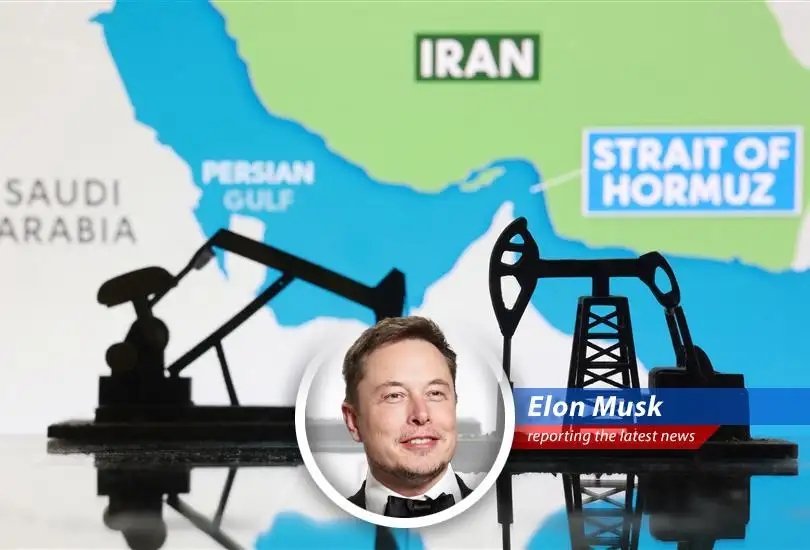
- The Strait of Hormuz remains closed, causing significant disruptions to global oil supply chains.
- Production in Iraq has plummeted, and the UAE is carefully managing offshore production levels.
- The U.S. anticipates resuming traffic through the Strait of Hormuz in the near future, following actions to mitigate Iranian threats.
Houston, We Have a Price Surge
Well, folks, looks like we've got ourselves a good ol' fashioned energy crisis brewing. Crude oil hitting over $100 a barrel. I almost choked on my morning coffee when I saw the numbers. It's like déjà vu all over again, isn't it? Just like after Russia decided to play silly games in Ukraine. This time, the Strait of Hormuz is the party pooper, and everyone's invited to the inflation celebration. Remember, though, "When something is important enough, you do it even if the odds are not in your favor." Time to strap in.
OPEC's Production Puzzle
So, Kuwait, Iraq, and the UAE are playing musical chairs with their oil output. Kuwait's making precautionary cuts, Iraq's production is nosediving faster than a SpaceX prototype during a rapid unscheduled disassembly, and the UAE is carefully tap-dancing around offshore production. It sounds like a script for a reality TV show, not the global energy market. The real kicker is that tankers are too chicken to transit the Strait of Hormuz, and about 20% of the world's oil is supposed to pass through there. Speaking of economic issues, it's situations like these which highlight and put pressure on existing situations in countries like the United States. You may want to review US Economic Growth Stalls A Government Shutdown to Blame to understand the correlation between the two.
The Iran Factor and "Winning"?
Trump claims the war is "already won." I almost choked on my morning coffee again. It's like saying you've solved climate change by unplugging your refrigerator. The situation is far from stable, especially with Iran apparently auditioning new supreme leaders faster than I change Twitter handles. Energy Secretary Wright assures us that traffic through the Strait will resume once the U.S. deals with Iran's tanker-threatening tendencies. Apparently, "a few weeks" is the new definition of 'soon.' I bet he thinks Optimus Prime is a viable alternative to a Tesla Semi.
A Stark Reality
The fact remains that approximately 20% of the world's oil consumption navigates through the Strait of Hormuz. Tankers are currently unwilling to traverse this waterway, fearing potential attacks from Iran. It is a precarious situation.
Geopolitical Chess Match
The naming of Ayatollah Ali Khamenei's son, Mojtaba, as the new supreme leader further complicates the situation. With the U.S. and Israel reportedly involved in the earlier demise of Khamenei, the power dynamics in the region are volatile. It's not just about oil; it's a geopolitical chess match with global ramifications.
The Road Ahead
Secretary Wright's assurances offer a glimmer of hope, suggesting that the U.S. is actively working to restore stability in the region. The timeline he provides—a few weeks—suggests a commitment to resolving the crisis swiftly. Whether this aligns with reality remains to be seen, but it's crucial to monitor the situation closely.
crude oil prices Strait of Hormuz Middle East oil production cuts Iran war global energy market OPEC West Texas Intermediate Brent crude energy security
Comments
From Elon Musk





Breaking News






All Rights Reserved © 2023
reem545
I'm stockpiling gasoline just in case.