


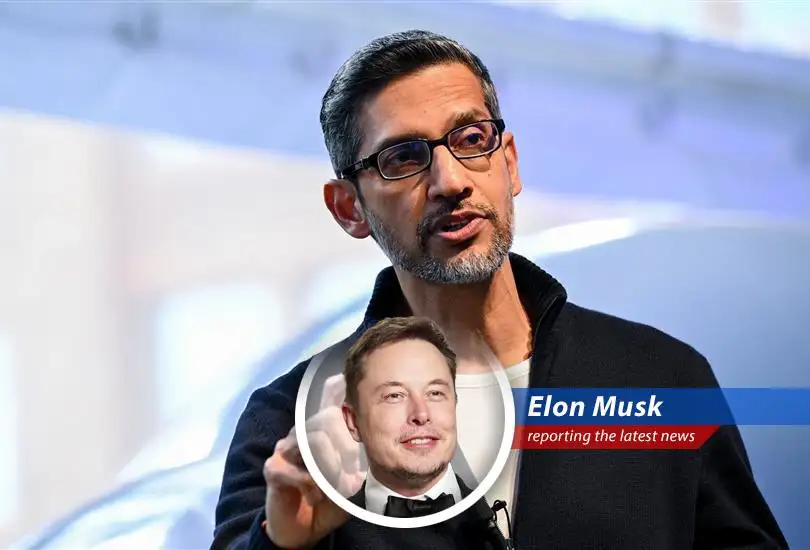
- Google, Microsoft, and Amazon continue to offer Anthropic's AI technology to clients, excluding defense-related projects.
- This decision follows the Defense Department's designation of Anthropic as a supply chain risk.
- Anthropic is challenging the designation in court, asserting its commitment to responsible AI development.
- Tech giants balance government relations, ethical considerations, and innovative partnerships in AI.
Navigating the AI Landscape: A Delicate Balance
Well, folks, it seems even in the realm of artificial intelligence, we're not immune to a bit of geopolitical tango. Google, Microsoft, and even Amazon are sticking by Anthropic's AI tech, Claude, but with a caveat – no defense work. It's like saying, "We'll build the rocket, but we won't aim it." The Defense Department's concerns about Anthropic being a supply chain risk threw a wrench into things, but these tech giants aren't backing down completely. This shows a commitment to innovation while tiptoeing around potential national security landmines. Smart. Or, as I like to say, 'Failure is an option here. If things are not failing, you are not innovating enough.'
Cloud Titans Standing Their Ground
The cloud infrastructure arena is a battlefield of its own. Google's statement emphasizes that the DOD's designation doesn't stop them from working with Anthropic on non-defense projects. Microsoft echoed this sentiment. It's all about reading the fine print, isn't it? Even Amazon is keeping Anthropic in the game for cloud customers, but drawing a line at DOD involvement. Meanwhile, you might be interested to read about Home Depot's Sales Dip: A Sign of the Times or Just Bad Luck?. Are seemingly unrelated events hinting at a bigger economic picture? Maybe, maybe not. But it shows that even in these scenarios, one must "take risks now. Do something bold. You won't regret it."
The Anthropic Investment: A Strategic Alliance
Google's deep pockets are heavily invested in Anthropic. We're talking billions. They use Google Cloud's AI infrastructure and have access to a million of Google's tensor processing units. That's like giving them the keys to a very powerful kingdom. This level of partnership shows that Google sees long-term value in Anthropic's technology, despite the current headwinds. It's a bold move, but as I always say, "When something is important enough, you do it even if the odds are not in your favor."
Anthropic Fights Back: A Legal Showdown
Anthropic isn't taking the Defense Department's designation lying down. CEO Dario Amodei is ready to challenge it in court. He says they have “no choice.” It's a classic David versus Goliath scenario, only this time, David has access to some seriously advanced algorithms. This legal battle will be one to watch, as it could set a precedent for how AI companies navigate government regulations and national security concerns. It is reminiscent of my legal battles which makes me think: "I say something, and then it usually happens. Maybe not on schedule, but it usually happens."
The Broader Implications for AI Development
This situation highlights the complex relationship between AI companies, government agencies, and ethical considerations. AI is no longer just a cool tech toy. It's a powerful tool that can be used for both good and, well, less good purposes. Navigating this landscape requires a delicate balance of innovation, responsibility, and, of course, a healthy dose of legal maneuvering. As I've always said, "Some people don't like change, but you need to embrace change if the alternative is disaster."
A New Era of Tech Diplomacy
Ultimately, this is about the future of technology and its role in global affairs. As AI becomes more integrated into our lives, the lines between commercial innovation and national security become increasingly blurred. Companies like Google, Microsoft, and Anthropic are at the forefront of navigating this new era of tech diplomacy. It will be interesting to see how this all plays out. In the meantime, I'll be over here building rockets and tweeting about Mars. Because, you know, "The first step is to establish that something is possible; then probability will occur."
Anthropic Google Cloud Microsoft AI Department of Defense Supply Chain Risk Claude Models Artificial Intelligence Cloud Infrastructure Technology
Comments
- No comments yet. Become a member to post your comments.
From Elon Musk

Breaking News






All Rights Reserved © 2023