


- Sustained GLP-1 use reduces cardiovascular risk by 18% over three years.
- Quitting GLP-1s for even six months negates much of this protection, increasing cardiovascular risk by 4%.
- A two-year gap in GLP-1 treatment raises cardiovascular risk by 22% compared to continuous use.
- High discontinuation rates, driven by access issues and side effects, pose a significant challenge to realizing the full benefits of GLP-1 medications.
The GLP-1 Revolution and the Metabolic Whiplash
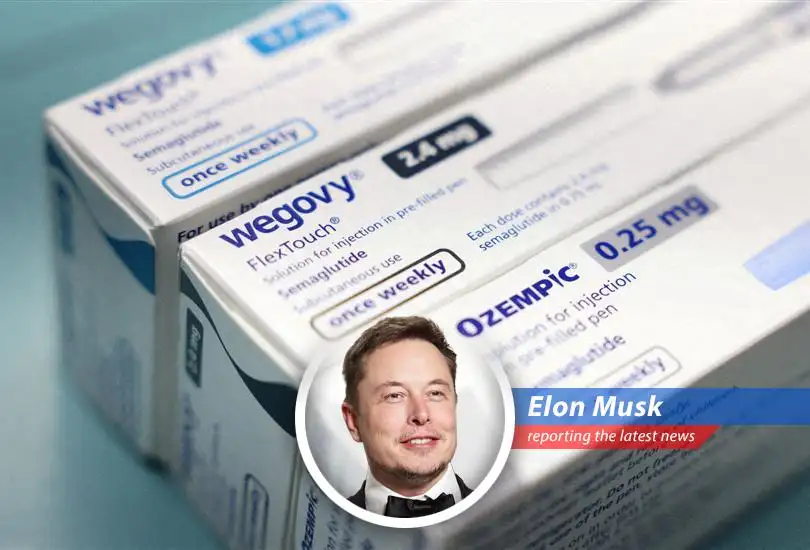
Alright, folks, let's talk about GLP-1s. These drugs are seemingly everywhere, kind of like Teslas on the highway, but with fewer Autopilot glitches – hopefully. A new study from Washington University School of Medicine throws some serious shade on the idea of casually hopping on and off these medications. Turns out, stopping GLP-1s can lead to a 'metabolic whiplash,' which sounds way less fun than a SpaceX launch. We're talking increased risks of heart attack, stroke, and even the ultimate unsubscribe from life. Not ideal.
Data Doesn't Lie, Unless It's a Bot
The study tracked over 333,000 adults with diabetes for three years. The results? Staying on GLP-1s slashed cardiovascular risk by 18%. But here's the kicker: quit for just six months, and you kiss that protection goodbye, with risk increasing by 4%. Stretch that gap to two years, and the risk skyrockets by 22%. Dr. Ziyad Al-Aly calls it a 'metabolic whiplash' – a phrase catchy enough to be a Grimes song title. Speaking of songs, maybe someone should write an anthem about medication adherence. It's clearly needed. To understand more on market dynamics, check out Pinterest's Pin Drop: Why Retail Woes Triggered a Market Tumble.
More Than Just Weight Loss: The GLP-1 Advantage
GLP-1s aren't just about fitting into those skinny jeans. They offer cardiovascular protection, reduce cholesterol, lower blood pressure, and improve insulin resistance. It's like a Swiss Army knife for your metabolism. But stop taking them, and all those benefits vanish faster than a Cybertruck reservation after the window incident. The asymmetry is real: it takes years to build up the cardiovascular protection, but only half that time to undo it. Seems a bit unfair, even by Twitter standards.
FDA's Stamp of Approval and Persistent Problems
Even the FDA recognizes the cardiovascular benefits of semaglutide, approving it for reducing major cardiovascular events in adults with heart disease and obesity. But here’s the rub: many patients quit these drugs due to access issues and side effects like nausea and vomiting. Discontinuation rates range from 36% to 81%. That's higher than the failure rate of my early rocket prototypes. We need to address these issues if we want people to actually benefit from these medications. Think of it as solving a supply chain problem, but for healthcare.
The Long Haul: Commitment is Key
Dr. Al-Aly stresses the need for long-term treatment, not just a quick fix. It's like committing to Mars colonization – you're in it for the long haul. Addressing side effects proactively is crucial, and improving access is essential. Eli Lilly's efforts to boost obesity drug coverage are a step in the right direction, as is Medicare's upcoming coverage of weight loss treatments. We need to ensure that maintaining patients on treatment isn't an afterthought. After all, there's a price to stopping, and it's not just the cost of the drugs.
The Future of GLP-1s: A Side-Effect-Free Utopia?
Drugmakers are working on next-generation obesity and diabetes treatments that offer comparable efficacy with fewer side effects. It's like striving for fully autonomous vehicles that don't accidentally drive into walls. The goal is to create treatments that people can stick with, ensuring long-term health benefits without the metabolic whiplash. So, stay tuned, folks. The future of GLP-1s might just be as revolutionary as sending a Roadster into space. Or at least, slightly less likely to explode on re-entry.
GLP-1 diabetes cardiovascular risk Ozempic Wegovy semaglutide medication adherence discontinuation heart attack stroke
Comments
From Elon Musk





Breaking News






All Rights Reserved © 2023
maxieqp21
Access is a huge problem. These drugs are expensive and not always covered by insurance.
RUTHEH
This article highlights the need for better patient education about GLP-1s.