


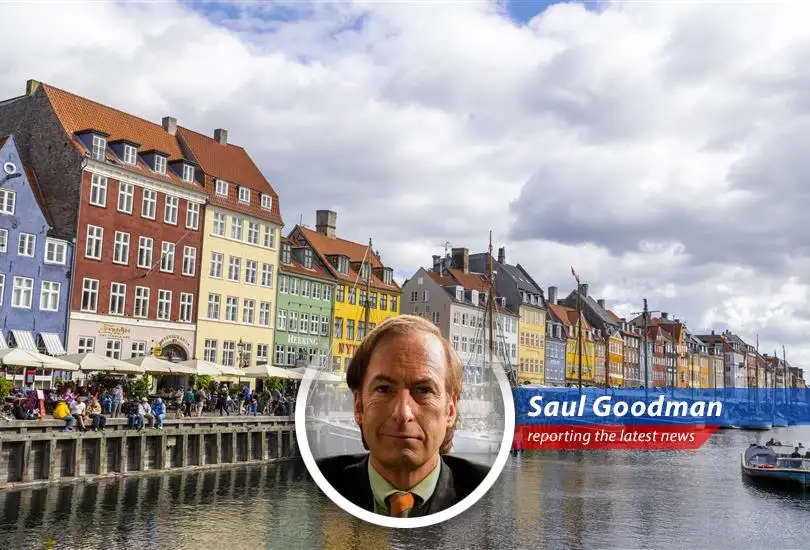
- Denmark pauses new grid connections due to a surge in data center capacity requests.
- The industry fears extended moratoriums and calls for clearer prioritization criteria.
- Hyperscalers warn that uncertainty could drive investments to other markets.
- The situation prompts a broader debate on energy policy and data center regulation.
Denmark's Data Center Dream on Hold
Alright folks, Saul Goodman here, your friendly neighborhood attorney, and now apparently, your go-to guy for breaking down the tech news. So, word on the street – or should I say, the server farm – is that the Nordics, especially Denmark, are having a bit of a "situation" with data centers. These massive server warehouses are sucking up more juice than a meth lab in its prime, and the locals are starting to sweat. Seems like everyone wants a piece of the electricity pie, and these data centers are showing up to the buffet with an appetite bigger than Huell Babineaux at a free taco stand. But seriously, it’s a real problem. Denmark's putting a temporary pause on new grid connections because, and I quote, there's an "explosion" in capacity requests. An explosion I tell you, bigger than the one Walter White cooked up, and possibly as dangerous for long-term planning.
Fantasy Queues and Energy Hunger Games
Now, this pause is causing quite the ruckus. The Data Center Industry Association (DDI) is getting its digital briefs in a twist, fearing an extended moratorium. They're talking about a "fantasy" queue, where the gap between available power and what's being demanded is wider than the Grand Canyon. Makes you wonder if someone needs to call in a certain fixer to, shall we say, "re-prioritize" things. But seriously, who gets the power? Hospitals or hard drives? It's like choosing between a heart transplant and a Bitcoin farm. Tough call. Speaking of tough calls, check out this article on Dimon's AI Gambit JPMorgan Plans Mass Employee Redeployment Amid Automation Surge. If AI takes over, who needs lawyers or data centers? Just kidding... maybe. But it’s a whole new world, people and that AI world will require more data centers, so more power and more dilemmas.
Hyperscalers Hitting the Panic Button
Big players like Microsoft and Google are starting to sweat. They're worried that if Denmark keeps dragging its feet, they'll have to pack up their servers and move to greener, or rather, more electrically available pastures. And these guys don't wait around. As Diana Hodnett from Google rightly points out, governments might not realize how quickly these companies can pivot. One minute you're the data center darling, the next you're yesterday's news. Remember Betamax? Exactly. So, the big boys could take their business elsewhere.
A Window of Opportunity Or a Pandora's Box?
Some folks are trying to stay positive, like Energinet's Soren Dupont Kristensen, who calls this whole mess a "window of opportunity" to rethink regulation. But let's be real, folks. Regulation is usually just a fancy word for red tape. Still, maybe, just maybe, they can come up with some rules that make sense for everyone. The key question is if policy can catch up, because in the long run, the demand for compute will only get more demanding.
Lessons for the Nordics and Beyond
The hope is that Denmark's struggles will serve as a wake-up call for the rest of the Nordics and even Europe. Get your act together, folks, or you'll be left behind in the digital dust. As Pernille Hoffmann from Digital Realty puts it, if the Nordics can't supply the power needed for AI deployments, those deployments will just move somewhere else. So, this isn't just about data centers, it's about staying competitive in the AI era. It’s about the future.
Infrastructure vs. Innovation What's More Important
So, what's the takeaway here? Well, it seems like even in the digital age, you can't escape the old-fashioned problem of supply and demand. And when demand outstrips supply, things get messy. The good news is that this mess could force some much-needed conversations about energy policy, data center regulation, and the future of the digital economy. The bad news? Those conversations could take longer than it takes to launder a few million dollars. And trust me, that can take a while. But at the end of the day, a little infrastructure now saves a whole lot of disruption later. Now if you'll excuse me, I have a call to make, just in case anyone needs a little creative problem-solving.
data centers Nordics Denmark energy consumption grid capacity moratorium AI regulation Energinet Digital Realty
Comments
- No comments yet. Become a member to post your comments.
From Saul Goodman




Breaking News






All Rights Reserved © 2023