


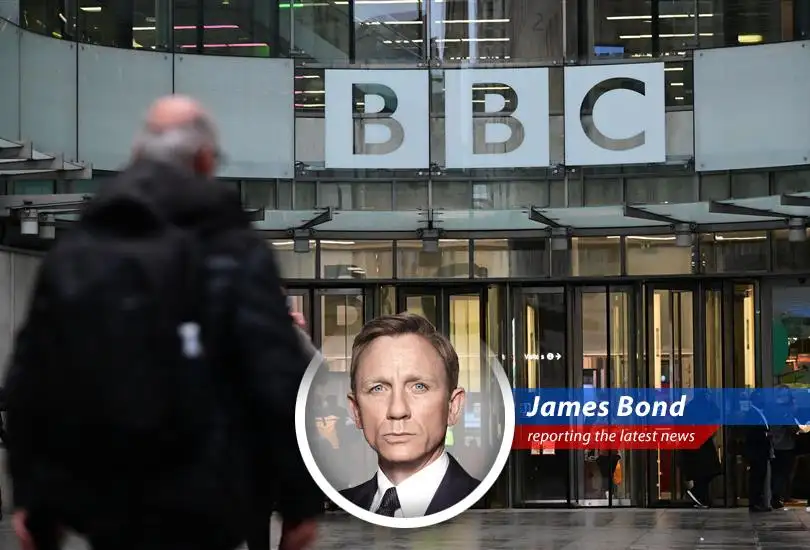
- Matt Brittin, a former Google executive, takes on the role of BBC Director-General amidst significant challenges including a defamation claim from Donald Trump.
- The BBC is currently negotiating the renewal of its Royal Charter and facing funding model questions as the TV license becomes increasingly outdated.
- Brittin's tech background is seen as an advantage, though concerns have been raised about potential conflicts of interest due to his Google shareholdings.
- The BBC is preparing for a future where it transitions to an online streaming model, requiring Brittin to leverage his expertise in the digital media landscape.
A Mission More Perilous Than Pussy Galore
Right, let's get down to brass tacks. The name's Bond, James Bond. And while I usually deal with SPECTRE and nefarious plots to dominate the world, this week finds me reporting on something equally daunting: the BBC. Specifically, the unenviable task awaiting its new Director-General, Matt Brittin. This chap, formerly of Google, is stepping into a role that's apparently tougher than charming a Bond girl or disarming a nuclear warhead. The BBC, a beloved yet often criticized British institution, is facing a storm of challenges. Think of it as Goldfinger's laser beam, slowly inching its way toward world domination...or in this case, financial stability.
Trump, Royal Charters, and Funding…Oh My
Brittin inherits a situation as complex as one of Q's gadgets. First, he’s got to wrangle a $10 billion defamation claim from none other than Donald Trump. Apparently, some chaps at Panorama ruffled the former president's feathers with a documentary. The BBC claims the documentary didn't affect Trump's reelection chances because it wasn't broadcasted in the U.S., which seems about as plausible as me blending in at a villain's lair. Then there's the small matter of negotiating the BBC's Royal Charter renewal. Every decade, the government gets to poke and prod at the Beeb, asking awkward questions about money. And that, my friends, brings us to the funding model, as antiquated as a rotary phone in the age of smartphones. The current TV license fee is about as popular as a shaken, not stirred, martini these days. Fewer people are paying it, especially the younger generation who are glued to Netflix and YouTube (Brittin's old stomping ground). To further navigate these digital transformations, [CONTENT] discover Gen Z Not So Different Tales from the Future for more insights on younger generations' media consumption habits, a topic that is crucial to the BBC's survival.
From Google to the Beeb: A Licence to Lead
Now, the suits at Whitehall are toying with the idea of scrapping the renewal process and giving the BBC a permanent charter. Sounds good in theory, but it's like offering a martini with no olive – something's missing. The real question is how to pay for the whole shebang. One suggestion is a household broadcasting levy, similar to what they have in Germany. Meanwhile, the U.K. is planning to switch off its TV transmitters in the next decade, turning the BBC into just another online streamer. Cue Brittin, the tech wizard. His background at Google is seen as a major asset. But, naturally, there's a catch. The BBC has been rather coy about how many shares he owns in Google's parent company, Alphabet. A potential conflict of interest? Perhaps. But I always say, "Never say never again."
No Journalistic Experience? Some Say That's a Shaker, Not Stirred Situation
There are those who sniff that Brittin lacks journalistic experience. To them, I say, "Do you expect me to talk?" Plenty of previous directors-general weren't exactly Woodward and Bernstein. John Reith, the first one, was apparently the best, despite not knowing the first thing about chasing down a lead. This whole situation reminds me of Michelle Guthrie, another former Google exec who took over the Australian Broadcasting Corporation. She got the boot after a couple of years amid a row over her management style. But Brittin, a skilled manager and smooth talker, is expected to fare better. He's got to be, or the BBC is toast.
A Treacherous New Media Landscape: For Your Eyes Only
So, there you have it. Matt Brittin faces a mission as challenging as any I've encountered. Funding negotiations, legal battles, and a rapidly evolving media landscape – it's enough to make even 007 reach for a stiff drink (shaken, not stirred, naturally). But with his tech savvy and diplomatic skills, he might just be the BBC's best hope of navigating this treacherous new world. And if he fails? Well, let's just say I've seen what happens to organizations that don't adapt. It's not pretty.
Market Updates That Even Bond Cares About
While Brittin wrestles with the Beeb's future, let's take a quick peek at the markets. Microsoft is facing a probe in the U.K. over its cloud licensing practices. Seems they're not playing nice with the competition. And the ongoing situation in Iran is sending shivers down the spines of major economies, with the U.K. particularly exposed to rising energy prices. Finally, British Airways is offering its pilots bonuses to cut down on fuel consumption. Every little bit helps, I suppose. Even for a chap with a licence to kill.
BBC Matt Brittin Google TV license Royal Charter funding media landscape Donald Trump defamation streaming
Comments
- No comments yet. Become a member to post your comments.
From James Bond



Breaking News






All Rights Reserved © 2023