


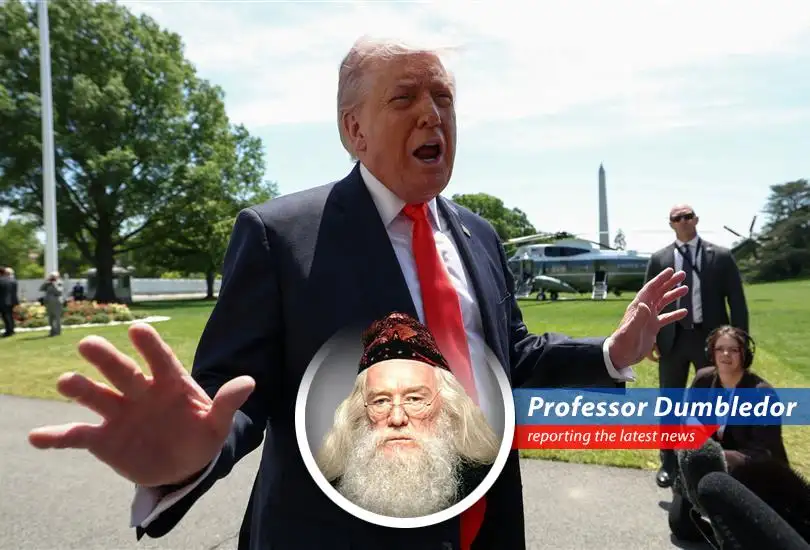
- Iran is reviewing messages from the U.S. received via Pakistani mediators, hinting at possible de-escalation.
- Donald Trump indicated that Iran is keen to strike a deal, influencing market sentiment and energy prices.
- Project Freedom, aimed at securing the Strait of Hormuz, faces uncertainty and regional ally concerns.
- Conflicting statements from Iranian officials underscore the need for "tangible benefits" in any agreement.
Whispers of Diplomacy
Ah, the delicate dance of diplomacy. As I always say, "It takes a great deal of bravery to stand up to our enemies, but just as much to stand up to our friends." It appears the U.S. and Iran are tentatively approaching a negotiating table, guided by the ever-subtle hand of Pakistani mediators. The Iranian Ministry of Foreign Affairs spokesman, Esmaeil Baqaei, confirmed that they are "currently reviewing" messages from the U.S. However, whether this will lead to a genuine accord or merely a fleeting moment of calm remains to be seen. As I've learned over many years, hope, like a phoenix, can rise from the ashes even in the darkest of times.
Trump's Gambit and Market Reactions
President Trump, ever the showman, declared that the Iranians "want to make a deal very much." Such pronouncements, much like a well-placed Confundus Charm, have swayed the markets. The initial signals of a potential agreement sent stocks soaring and oil prices plummeting. However, this exuberance proved as ephemeral as a Protean Charm, with equities later falling into the red and oil prices rebounding as the situation's inherent uncertainties came to the fore. The markets, it seems, are as fickle as Peeves the Poltergeist, reacting to every twist and turn with unpredictable fervor. Further insights can be found at Travel Stocks at a Crossroads Navigating Choppy Waters Ahead, which highlights similar market sensitivities in the travel sector.
The Strait of Hormuz: A Chokepoint of Concern
The Strait of Hormuz, a critical artery for global oil supply, has been a focal point of this conflict. The U.S. launched Project Freedom, an ambitious endeavor to safeguard commercial ships from Iranian threats. However, in a move that reminds one of a particularly complex game of Exploding Snap, President Trump abruptly paused the operation, citing progress in negotiations with Iran. This sudden U-turn, as NBC News reported, followed objections from Saudi Arabia, a key regional ally. It seems even the best-laid plans can be derailed by unforeseen alliances and rivalries.
Saudi Arabia's Influence
The influence of Saudi Arabia in this affair cannot be understated. Their initial anger over Project Freedom and subsequent suspension of U.S. military access to their bases and airspace highlights the intricate web of alliances that shape international relations. As The Wall Street Journal later reported, these restrictions have since been lifted, and the Trump administration is considering restarting Project Freedom. It's a reminder that, in the grand game of international politics, alliances can shift as quickly as the sands in the desert.
Iranian Demands and Future Prospects
Senior Iranian official Mohsen Rezaee has made it clear that Tehran expects "tangible benefits" from any agreement. This sentiment underscores the complexities of these negotiations. Iran is not merely seeking a "flamboyant gesture" but concrete gains that address their concerns. Whether the U.S. can meet these demands while also satisfying its own strategic interests remains to be seen. As I always say, "Differences of habit and language are nothing at all if our aims are identical and our hearts are open."
Navigating the Murky Waters Ahead
In conclusion, the situation remains fluid and fraught with uncertainty. While the initial signs of de-escalation are encouraging, the path to a lasting agreement is far from clear. The Strait of Hormuz, the role of regional allies, and the demands of both Iran and the U.S. all contribute to the complexity of this geopolitical puzzle. It is a time for cautious optimism, coupled with a healthy dose of realism. After all, as I often remind my students, "It does not do to dwell on dreams and forget to live."
Iran United States negotiations Strait of Hormuz oil prices Project Freedom Donald Trump geopolitical tensions nuclear talks Middle East
Comments
- No comments yet. Become a member to post your comments.
From Professor Dumbledore





Breaking News






All Rights Reserved © 2023