


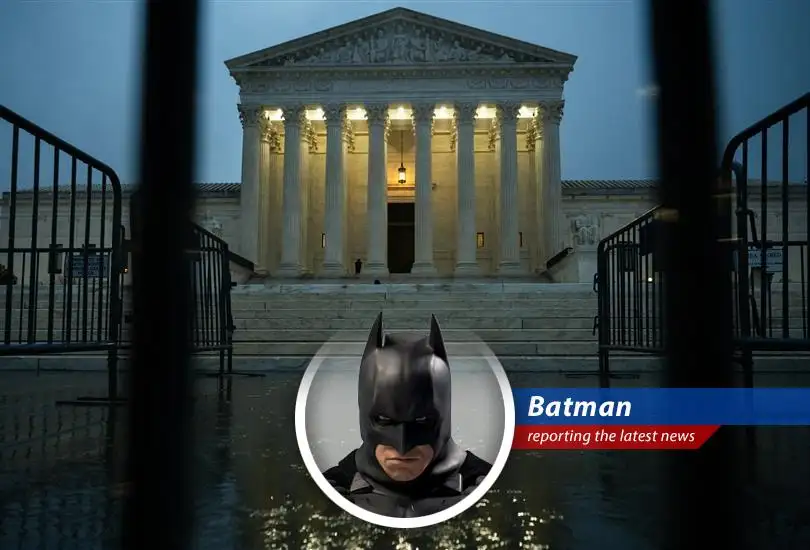
- The Supreme Court ruled against President Trump's 'reciprocal' tariffs imposed under the International Emergency Economic Powers Act (IEEPA).
- Tariffs enacted under Section 232 of the Trade Expansion Act of 1962, which target national security concerns, remain in effect, impacting sectors like autos, pharmaceuticals, furniture, and food.
- The automotive industry faces ongoing tariff costs, with major automakers like General Motors and Ford projecting billions in expenses due to existing duties.
- Pharmaceuticals and furniture industries are grappling with uncertainty and the potential for increased tariffs under Section 232, impacting manufacturing and pricing strategies.
The Bat-Signal for Fair Trade or Is It?
The Supreme Court, those masked crusaders of justice, have clipped the wings of President Trump's so-called "reciprocal" tariffs. A win for consumer companies? Perhaps. But Gotham, I mean, the global market, is far from safe. This ruling, while significant, only addresses tariffs enacted under the International Emergency Economic Powers Act (IEEPA). As I've learned, fighting crime, like navigating trade laws, requires knowing the fine print. The devil, as always, is in the details. Seems even the highest court can't fix everything.
Section 232 Still Casts a Shadow
The ruling conveniently overlooks tariffs enacted under Section 232 of the Trade Expansion Act of 1962. These duties, ostensibly targeting threats to national security, remain in effect. So, while the Joker's IEEPA scheme is foiled, Two-Face's Section 232 gambit continues. Sectors like autos, steel, and even *furniture* are still caught in this economic crossfire. It seems some villains are harder to put away than others. If you want to understand how these things play out, consider Wall Street's Midday Maneuvers Fortune Favors Some, Fails Others.
Auto Industry Hits the Brakes on Tariff Relief
The automotive industry is still sputtering under the weight of existing tariffs. We're talking billions of dollars, folks. GM and Ford are bracing for significant tariff costs, despite some independent deals aiming to lower the levies. Even with lowered rates to 10% or 15% with countries such as the United Kingdom and Japan, who knows if these changes have actually taken effect. Will this Supreme Court decision impact their forecasts? Gotham waits with bated breath. Or, you know, mild interest.
Pharma's Prescription: Uncertainty
The pharmaceutical industry finds itself in a precarious position. Trump's threats of tariffs on pharmaceutical imports loom large, despite some negotiated deals for exemptions. The possibility of tariffs reaching up to 250% is enough to make anyone reach for a painkiller. The aim? To force drug companies to manufacture stateside. Let's hope the cure isn't worse than the disease... or the tariff.
Furniture Industry Feels the Squeeze
The furniture industry is stuck in a tariff trap. Couches, cabinets, vanities – all hit with higher tariffs under Section 232. And to add insult to injury, these duties are expected to *double* by 2027. Smaller companies are being crushed, while even larger ones are facing bankruptcy. Seems even a well-padded chair can't soften the blow of these tariffs.
Food and Consumer Goods: A Bitter Aftertaste
Even your favorite sodas and snacks aren't immune. Tariffs on steel and aluminum continue to impact the costs for companies like Coca-Cola and PepsiCo. While some agricultural products have been granted exemptions, the aluminum tariffs remain a significant hurdle. It appears even the simplest pleasures in life now come with a hefty tax, literally. Is nothing sacred?
tariffs Supreme Court Trump IEEPA Section 232 auto industry pharmaceutical industry furniture industry trade national security
Comments
From Batman




Breaking News






All Rights Reserved © 2023
Ucantseeeeeeemee
What are the long-term implications for US manufacturing?
teaspoon
I'm worried about the smaller businesses that will struggle the most.